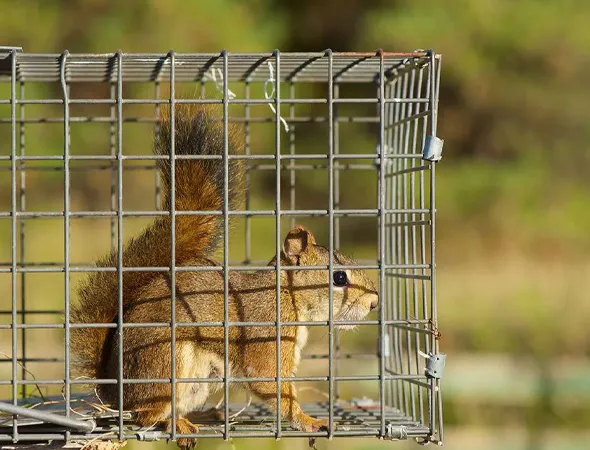
Squirrels can quickly turn your attic into a nesting area. Their daytime activity often makes them easy to notice. You may hear scratching above your ceilings. You may also notice squirrels around your roofline. At Nuisance Wildlife Pros LLC, we provide humane squirrel removal. We identify where squirrels are entering your property. We also inspect nesting areas and potential damage. Then, we develop a suitable plan for your situation.
Squirrel removal involves safely addressing squirrels on your property. The process starts by identifying their access route. Attics and roof spaces are common problem areas. Soffits and gable vents can also provide access. Squirrels are mainly active during daylight hours. This can help distinguish them from nocturnal wildlife. Raccoons usually become active after dark. Mice can also produce different activity patterns. Spring and autumn can increase squirrel activity. Spring often brings nesting and young squirrels. Autumn can increase searches for sheltered spaces. Buildings can provide warmth and protection during these periods.
Female squirrels may establish nests inside attics. Young squirrels can remain dependent inside those nests. Removing an adult without checking the nest can create problems. A careful inspection helps determine the situation first. Our squirrel removal service addresses the wider problem. We inspect activity, nesting areas, and property damage. We also identify vulnerable areas around your home. This helps create a more complete solution.
Mice and rats can enter through small openings. They can damage wiring, insulation, and stored materials. Our rodent control addresses activity and access. We also consider conditions supporting repeat activity.
Our bat removal service focuses on humane exclusion. We identify attic roosts and exterior entry points. We also consider Massachusetts bat protection requirements. Our goal is safe removal and prevention.
Beavers can create serious flooding concerns. Their dams can block drainage routes and culverts. This can affect roads and surrounding properties. Beaver control requires careful site assessment.
Birds can nest around vents, soffits, and rooflines. Commercial buildings can also attract nesting birds. Their presence can affect building conditions. We provide appropriate bird removal solutions.
Moles mainly affect lawns and garden areas. Their tunnels can create ridges and disturbed soil. Their activity differs from structural wildlife. We focus specifically on mole-related lawn problems.
Opossums often use sheltered spaces around properties. Crawlspaces, decks, and sheds can provide cover. They may occasionally enter buildings. We identify access points before planning removal.
Raccoons can enter attics, chimneys, and crawlspaces. Their activity can cause substantial property damage. Mothers may also have dependent young nearby. We consider nesting activity before removal.
Skunks usually seek sheltered areas near ground level. They may den beneath decks, sheds, and porches. Their digging can also affect landscaping. We focus on safe removal and prevention.
Squirrels commonly enter attics and roof spaces. They can damage insulation, wiring, and building materials. We identify their access points before removal. We also assess nesting and property damage.
Woodchucks are persistent and powerful burrowers. Their tunnels can develop beneath structures. They can also damage gardens and landscaping. Our approach addresses the animal and burrowing activity.
Wildlife inspections help identify unexplained animal activity. We inspect roofs, vents, foundations, and other areas. Inspections can reveal entry points and damage. They can also guide future wildlife services.
Professional squirrel removal addresses more than visible activity. It helps identify why squirrels entered your property. We focus on safety, protection, and prevention. This gives you a more complete service.
Protect Your Electrical System
Squirrels can chew electrical wiring inside attics. Damaged wiring can create a genuine fire risk. Early attention can help limit further chewing damage.
Protect Your Insulation
Squirrels may tear insulation for nesting materials. Their activity can leave insulation disturbed or damaged. Removing the animals helps protect your attic environment.
Reduce Structural Damage
Squirrels can damage soffits, fascia, and roof components. They may enlarge existing openings while entering. Addressing activity can help limit additional damage.
Identify Hidden Activity
Squirrels can move between roof spaces and attics. Their nests may remain hidden from view. A professional inspection can reveal signs of activity.
Protect Your Property
Squirrel activity can become a recurring problem. We look beyond the immediate animal sighting. Our approach helps you understand your property’s vulnerabilities.
We begin with a detailed squirrel inspection. We examine attic and roofline areas carefully. We look for nests, damage, and entry points. We also consider your reported activity.
We develop a removal approach for your property. Nesting conditions can affect the appropriate method. We consider whether young squirrels may be present. Our focus remains safe and responsible removal.
After removal, we assess vulnerable areas. We identify conditions that could support repeat activity. We can then discuss suitable prevention measures. This helps protect your property after removal.
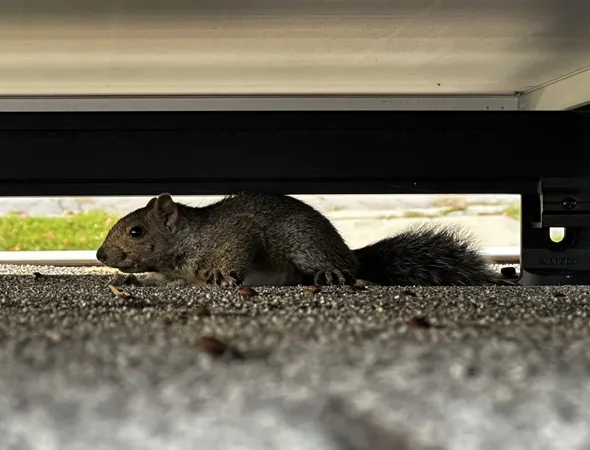
Squirrels may establish nests inside attics and roof spaces. These locations provide shelter from weather and predators. They can also provide suitable nesting materials. Insulation can become part of an attic nest. Spring can bring increased nesting activity. Female squirrels may seek secure locations for young. Autumn can also increase searches for sheltered spaces. Your attic may provide an attractive nesting environment. Similar attic and roof-space sheltering can also occur with bat removal situations.
You may notice scratching or movement during daylight. You may also hear repeated activity from one area. Nesting material around vents can provide another clue. Squirrels may also enter and leave through roofline gaps. We inspect suspected nesting areas carefully. We look for active nests and signs of young. We also assess nearby access points. This helps us understand the full situation. Your property needs careful handling when nesting occurs. Removing animals without checking the nest can create problems. We assess the situation before recommending removal. This supports a safer approach for your property and wildlife.
Squirrels can leave damage that is easy to overlook. Their chewing can affect several building components. Wiring is particularly important because damage creates fire concerns. Soffits and vents can also become vulnerable. You may notice damaged materials without seeing squirrels. Chewed wiring can remain hidden inside attic spaces. Damaged insulation can also indicate nesting activity. Small roofline openings may reveal repeated access.
We inspect visible areas around your attic. We look for signs of chewing and nesting. We also assess roofline components and entry areas. Your reported activity helps guide the inspection. Identifying damage early can help limit further problems. It can also clarify what requires attention. We explain the damage we find during assessment. You can then understand the condition of affected areas. Our inspection focuses on practical information. We want you to know what squirrels have affected. We also identify areas that may need protection. This gives you a clearer path forward.
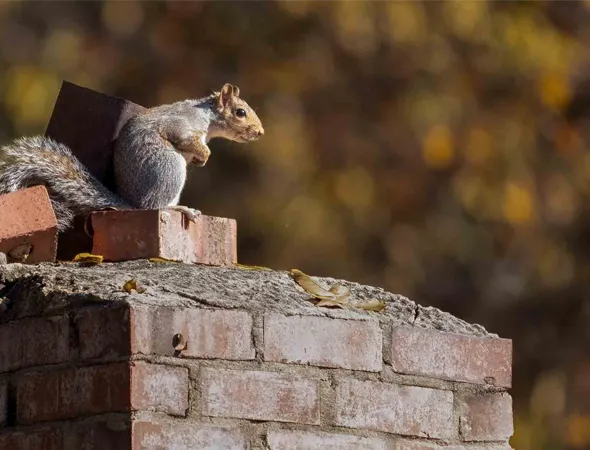
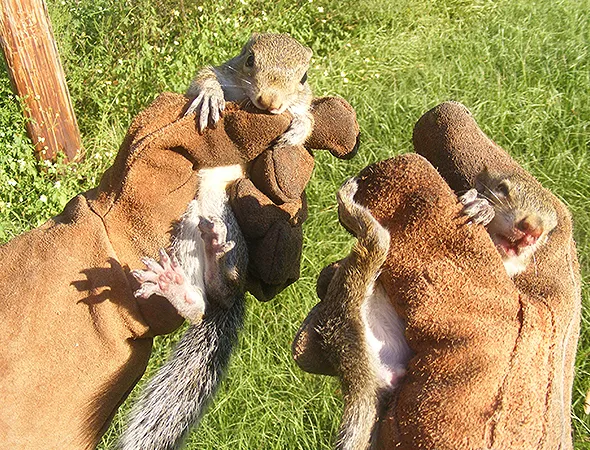
Squirrel-proofing focuses on reducing future wildlife access. Your property may contain several vulnerable areas. Roofline gaps can attract squirrels searching for shelter. Damaged vents and soffits can also create access. We examine your property for these vulnerabilities. We look around roof edges and exterior openings. We also consider previous squirrel activity. This helps identify areas needing stronger protection. Squirrel-proofing can involve several property areas. The suitable approach depends on the building. Your roof design and existing damage can influence recommendations.
We explain practical options based on our findings. Prevention becomes especially useful after squirrel removal. It helps protect the work already completed. It can also reduce future wildlife access. Your property becomes less attractive to returning squirrels. We want your solution to last beyond removal day. That means looking at what caused the intrusion. We help identify vulnerabilities and practical improvements. This gives you greater confidence in your property.
Squirrel problems can affect commercial properties too. Warehouses, offices, and other buildings have vulnerable areas. Rooflines and vents can provide access. Squirrels may then establish nests inside building spaces. Commercial wildlife problems can disrupt normal operations. Noise can disturb employees and occupants. Damage can also affect wiring and building components. Addressing activity early can help reduce disruption. We assess commercial properties for squirrel activity. Similar roofline and building-access issues can occur with bird removal on commercial properties.
We look for entry points and nesting evidence. We also inspect accessible areas for visible damage. Your building’s use helps guide our approach. Businesses often need practical wildlife solutions. Work may need to minimize disruption to operations. We can discuss suitable timing and access requirements. Our goal is to address the problem efficiently. You want your property protected without unnecessary disruption. We focus on understanding your specific building. We then explain the available approach clearly. This helps you plan the next step confidently.
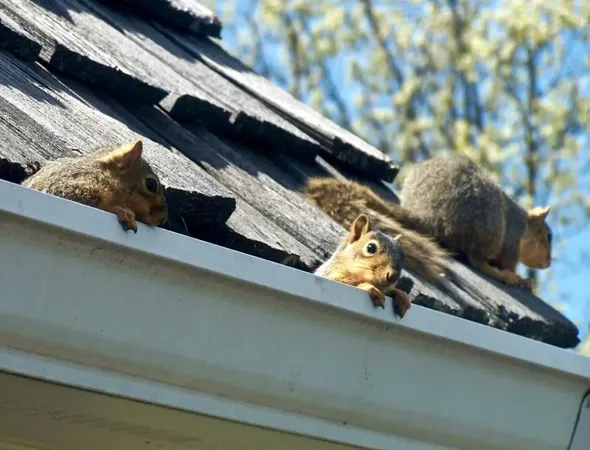
Squirrels are mainly active during daylight hours. You may hear scratching or running overhead. Morning activity can be particularly noticeable.
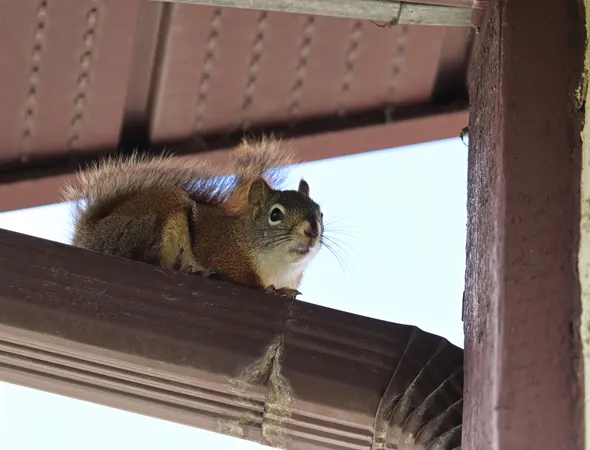
You may also see squirrels around your roofline. Watch for activity near soffits and gable vents. Chewed openings can provide another important clue.
Nesting materials can also indicate squirrel activity. Insulation may appear disturbed around nesting areas. A professional inspection can confirm the situation.
Yes, squirrels can chew electrical wiring. Their teeth continually grow throughout their lives. Chewing helps them wear down their teeth.
Electrical wiring can become damaged during this behaviour. Exposed wiring can create a genuine fire risk. This makes attic squirrel activity important to address promptly.
We can inspect accessible areas for visible damage. We can also identify signs of repeated chewing. This helps determine whether further attention is needed.
Attics provide squirrels with several useful benefits. They offer shelter from weather and predators. They can also provide suitable nesting materials.
Existing roof gaps can make entry easier. Damaged soffits and vents can also provide access. Squirrels may discover these openings while searching for shelter.
We inspect likely access areas around your property. This helps identify how squirrels are getting inside. We can then discuss suitable prevention options.
Squirrel activity can increase during spring. Female squirrels may establish nests during this period. Young squirrels can remain dependent inside those nests.
This can make attic activity more noticeable. You may hear repeated scratching from one location. Squirrels may also travel between the nest and outdoors.
A careful inspection helps determine whether young are present. This information matters before removal begins. It supports a safer and more responsible approach.
Autumn can also increase squirrel activity. Squirrels may search for sheltered spaces. Buildings can provide protection from changing weather.
Roof gaps and attic openings can become attractive access routes. You may notice increased daytime activity around your home. Scratching inside walls can also become noticeable.
We can inspect your property when activity increases. This helps identify entry points and nesting areas. Early attention can help prevent further problems.
Squirrels can damage roofline components while entering. They may chew around vulnerable openings. Soffits, fascia, and vents can become affected.
Existing damage can also become larger over time. Larger openings can provide access to other wildlife. This can create additional property concerns.
We inspect roofline areas during squirrel assessments. We look for visible damage and access points. This helps determine suitable next steps.
Do not immediately disturb an active squirrel nest. Young squirrels may remain dependent on their mother. Removing the mother without assessing the nest can create problems.
A professional inspection can determine whether young are present. We can then consider the safest appropriate approach. This helps avoid unnecessary harm to wildlife.
It also helps prevent additional problems inside your attic. A careful assessment should come before removal. This is especially important during nesting periods.
Squirrels may leave temporarily for food or activity. However, they can return to established nests. An attic can remain attractive until access is addressed.
Waiting may allow additional damage to occur. Squirrels can continue chewing while inside. Nesting materials can also accumulate over time.
A professional inspection can clarify current activity. We can identify whether squirrels are actively using the space. This helps determine the appropriate next step.
The timeline depends on several property factors. Nesting activity can affect the removal process. The number of squirrels can also matter.
The number of access points can affect the work. Property design can also influence the inspection. Each situation therefore requires individual assessment.
We inspect your property before recommending a solution. This helps establish the likely scope of work. We can then explain the process clearly.
Squirrels can return when access remains available. Existing openings may continue attracting wildlife. Removing the current animals does not secure those openings.
That is why prevention should follow removal. We inspect rooflines, soffits, vents, and other vulnerable areas. This helps identify potential repeat-entry routes.
We can discuss suitable squirrel-proofing options with you. The right approach depends on your property. Our goal is to reduce future squirrel activity.
Avoid disturbing a nest without knowing its status. It may contain dependent young. Removing it could separate young from their mother.
The nest may also reveal active wildlife activity. A professional inspection can establish what is happening. This helps determine the safest next step.
You should also avoid handling wildlife directly. Squirrels can become defensive when threatened. Professional assessment reduces unnecessary risks during removal.
Squirrels inside your attic can become stressful quickly. Chewing damage can also create serious concerns. We can inspect your property and explain suitable options.
Nuisance Wildlife Pros LLC provides professional squirrel removal services. We focus on safe removal and property protection. Our process considers nesting, damage, and future prevention. If squirrels are active around your attic or roofline, contact us. We can inspect your property and explain your options.
WhatsApp us