
Mice and rats can enter through surprisingly small gaps. Older homes can offer hidden travel routes. Professional rodent control helps identify these pathways. Nuisance Wildlife Pros LLC focuses on practical rodent solutions. We inspect activity before recommending control measures. Our approach emphasizes exclusion alongside targeted control.
Rodent control addresses unwanted mice and rat activity. These animals can enter homes through small openings. Once inside, they can travel through hidden spaces. Older Western Massachusetts homes can present unique challenges. Fieldstone foundations can create accessible gaps and pathways. Balloon framing can also connect multiple building levels. Autumn often brings increased rodent intrusion. As temperatures fall, rodents seek warmer shelter. Homes can then become attractive nesting locations. Mice and rats behave differently inside properties. Their movement patterns and nesting preferences can vary. Effective control should account for these differences.
Rodents can also damage property during active infestations. They may chew wiring, insulation, and other materials. Their droppings can also contaminate affected areas. Our approach begins with identifying rodent activity. We inspect accessible areas for signs and pathways. We then consider how rodents are entering. Exclusion is an important part of our approach. Simply addressing visible activity may not solve the problem. Closing access routes can help reduce repeated intrusion. Our goal is long-term rodent management. We focus on the conditions allowing rodents inside. This helps create a more complete control strategy.
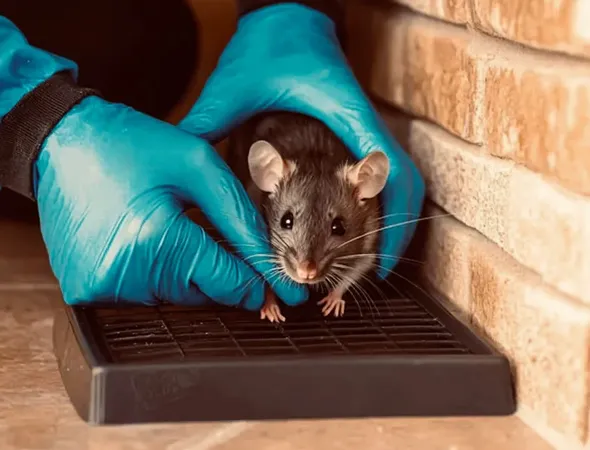
Rodent control addresses mice and rats around properties. These animals can exploit very small openings. Older buildings may contain multiple hidden travel routes. Our service focuses on identifying active rodent pathways. We also emphasise exclusion to reduce repeated entry.
Bats often seek quiet spaces inside buildings. Attics and exterior gaps can provide suitable roosting areas. Our bat removal service identifies activity and access points. We assess where bats are gathering before recommending action.
Beavers can affect properties near waterways. Their dams can alter drainage and water movement. This may create flooding or landscape concerns. Our beaver control service assesses active areas. We then recommend suitable management options.
Birds can establish nests around exterior structures. Vents and rooflines can provide attractive nesting locations. Their activity may create noise and property concerns. Our bird removal service identifies affected areas. We then determine suitable removal measures.
Moles create problems mainly beneath lawns and gardens. Their tunnelling can leave visible raised ridges. Repeated activity can affect large lawn sections. Our mole control service focuses on active tunnelling areas. We then address the specific mole activity identified.
Opossums often seek quiet outdoor shelter. They may use spaces beneath decks and structures. Their nocturnal behaviour can make activity difficult to spot. Our opossum removal service identifies preferred shelter locations. We then recommend suitable removal options.
Raccoons can exploit vulnerable areas around buildings. They may enter protected spaces while seeking shelter. Their activity can create noise and property damage. Our raccoon removal service assesses activity first. We then address the specific raccoon situation.
Skunks usually remain close to ground-level shelter. They may hide beneath decks, sheds, and porches. Their spray can create significant nuisance concerns. Lawn digging can also indicate regular activity. Our skunk removal service focuses on locating and addressing active skunks.
Squirrels can become active around roofs and trees. They may also enter sheltered building spaces. Their chewing can damage wiring and materials. Our squirrel removal service identifies active areas and access routes. We then recommend suitable removal steps.
Woodchucks are persistent and powerful burrowers. Their tunnels can affect lawns and nearby structures. Gardens can also become attractive feeding areas. Our woodchuck removal service focuses on active burrowing. We assess affected areas before recommending action.
Wildlife inspections help identify unexplained animal activity. They can be useful when signs appear without sightings. We inspect accessible areas for wildlife evidence. This can include tracks, droppings, damage, and entry points. Inspections help determine the most suitable wildlife service.
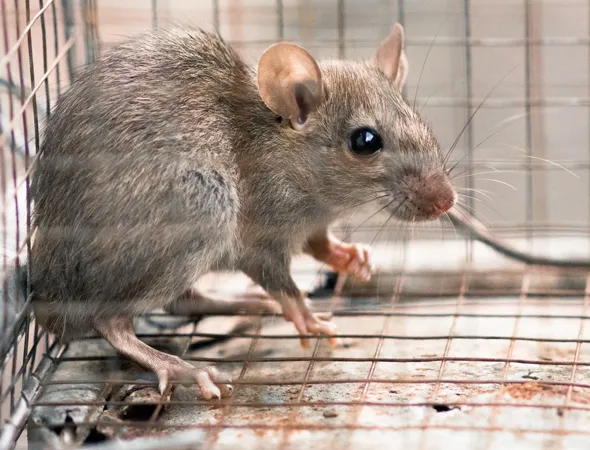
Rodent problems can grow without obvious warning. Professional control helps identify hidden activity. It also focuses on preventing repeated intrusion.
Protect Electrical Wiring
Rodents can chew through electrical wiring. Damaged wiring can create serious fire concerns.
Protect Your Property
Rodents can damage insulation and building materials. Early control can help limit prolonged activity.
Address Hidden Activity
Rodents can travel through walls and concealed spaces. Inspection helps reveal activity beyond visible areas.
Reduce Repeat Intrusion
Exclusion addresses the pathways rodents use. Closing access can help reduce future entry.
Prepare For Autumn Activity
Rodent intrusion often increases as temperatures fall. Early inspection can identify vulnerable areas before problems grow.
We inspect accessible areas for rodent activity. We look for droppings, damage, nesting, and pathways. We also assess potential entry points.
We develop a control approach based on findings. We consider the type of rodent involved. We also consider where activity is occurring.
We identify openings that allow rodent entry. We focus on practical exclusion opportunities. This helps reduce future intrusion.
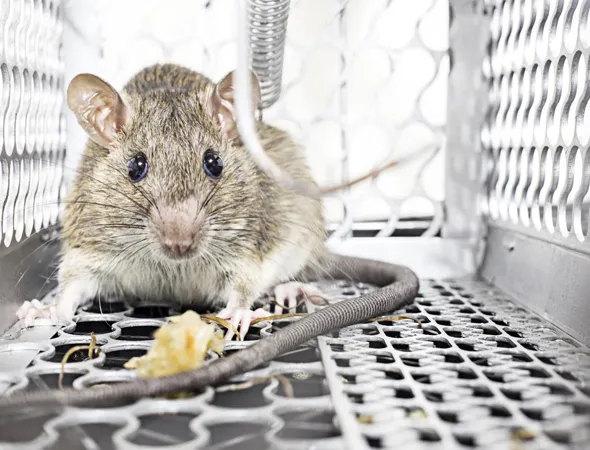
Mice can enter buildings through remarkably small openings. They often exploit gaps around foundations and structures. Older homes can provide multiple hidden pathways. Fieldstone foundations can contain irregular openings. These spaces can create opportunities for mouse entry. Balloon framing may also provide vertical travel routes. Autumn can increase mouse activity around homes. Falling temperatures encourage mice to seek shelter indoors.
Warm walls and enclosed spaces become attractive. Mouse activity may begin quietly. Small droppings can appear near food or nesting areas. Scratching sounds can also indicate movement. We inspect areas where mouse signs appear. We also look for potential access points. This helps distinguish active areas from old evidence. Our mouse control approach emphasises exclusion. Addressing entry routes can help reduce repeat intrusion. We also consider the property’s construction and layout.
Rats require a different approach from mice. They are larger and can cause substantial damage. They can also exploit outdoor and structural pathways. Rats may enter through foundation openings. Utility penetrations can also provide access. Older properties may contain several potential routes. Rat activity can produce noticeable signs. Droppings and gnaw marks can indicate movement. Burrowing near foundations can also provide useful evidence.
We inspect areas showing signs of rat activity. We consider both indoor and exterior conditions. This helps identify how rats are using your property. Control should address the wider environment. Simply addressing visible rats may not solve entry problems. We focus on identifying the conditions supporting activity. Similar foundation-level activity can sometimes involve mole control when signs of wildlife activity are found around the ground and foundation.
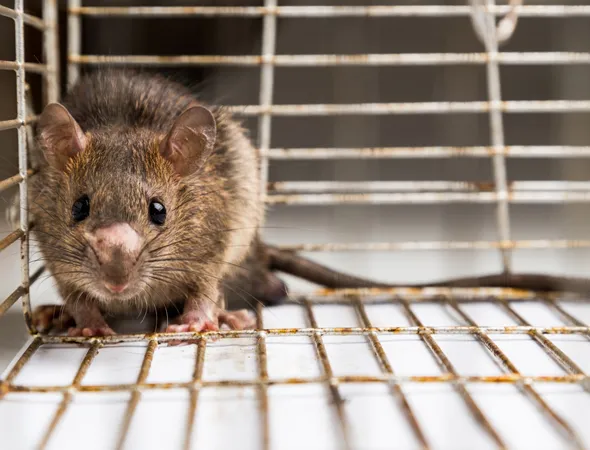
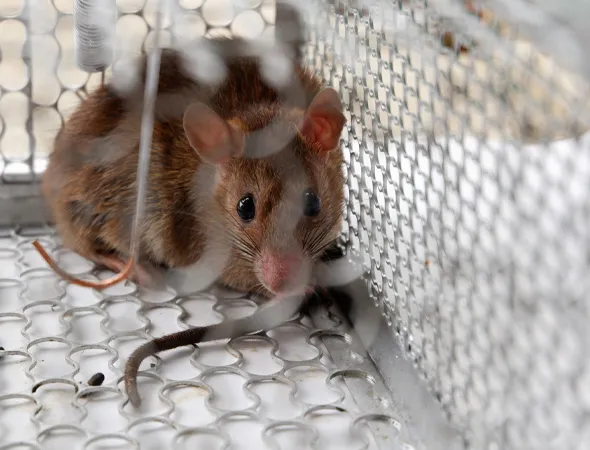
Rodent activity is not always immediately visible. Mice and rats can travel through concealed spaces. Their signs may appear far from entry points. A professional inspection can connect these signs. We look for droppings, nesting, gnawing, and movement. We also examine accessible structural areas.
Older Western Massachusetts homes can require closer assessment. Fieldstone foundations can contain irregular gaps. Balloon framing can provide connected travel routes. We consider the property’s construction during inspection. This helps identify potential rodent pathways. It can also reveal areas requiring further attention. An inspection gives you clearer information. You can understand where activity is occurring. You can also identify likely entry points. When concealed structural spaces are involved, squirrel removal can be relevant where squirrels are using similar areas for shelter or access.
Exclusion focuses on stopping rodents from getting inside. It differs from simply addressing existing rodent activity. The goal is to reduce access to your property. Rodents can exploit foundation and structural gaps. Openings around utilities can also create access. Small vulnerabilities may become regular entry routes.
We inspect the exterior for potential openings. We assess foundation areas and other accessible locations. We also consider how rodents may move around the property. Older homes can present additional exclusion challenges. Fieldstone foundations are often irregular by design. Balloon framing can connect otherwise separate spaces. Our exclusion approach considers these property characteristics. We identify practical areas for improved protection. This can help reduce future rodent intrusion.
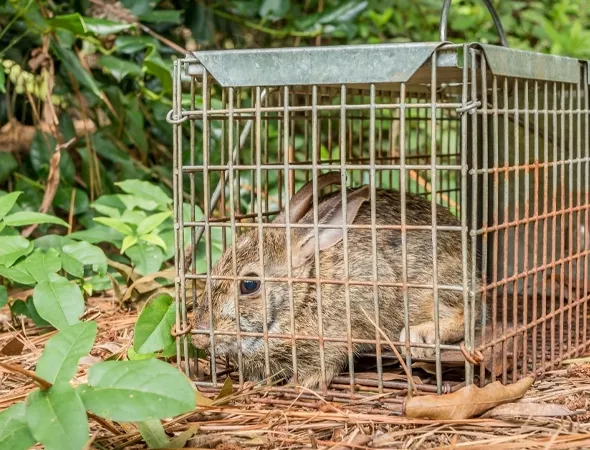
Mice and rats are different rodent species. They also differ in size and behaviour. Their preferred pathways can differ too.
Mice can exploit extremely small openings. Rats generally require larger access points. Their activity can also appear in different areas.
Our inspection considers which rodent is involved. This helps us understand the specific situation.
Rodents seek shelter as outdoor temperatures fall. Homes provide warmth and protected nesting spaces. Food availability can also influence their movement.
Autumn can therefore bring increased indoor activity. Identifying access points before this period can help.
Mice can fit through surprisingly small openings. Small gaps around structures can provide access. Foundation and utility areas deserve particular attention.
An inspection can help identify these vulnerabilities. We assess accessible areas for potential entry routes.
Rats can use foundation-level openings. Utility penetrations can also provide access. Gaps around structures may create additional pathways.
Exterior inspection can help identify these areas. We consider both visible openings and activity signs.
Older homes can contain unique structural features. Fieldstone foundations may have irregular openings. Balloon framing can create connected travel routes.
These features can provide movement opportunities for rodents. A property-specific inspection can reveal potential pathways.
Droppings are one common sign of rodent activity. Gnaw marks can provide another indication. Scratching sounds may also reveal movement.
Nesting materials can indicate an active area. Strong odours can also occur with prolonged activity.
Rodents can chew various building materials. Electrical wiring may become damaged during this activity. Damaged wiring can create fire concerns.
Suspected electrical damage should receive prompt attention. A qualified electrician should handle electrical repairs.
Baiting addresses active rodent populations. It does not necessarily address entry routes. New rodents may enter through the same openings.
This is why exclusion matters. Identifying and reducing access can help limit repeat intrusion.
Exclusion focuses on how rodents enter. It addresses openings rather than only visible activity. This can help reduce repeated intrusion.
Every property has different vulnerabilities. We assess those conditions before recommending exclusion.
Yes, rodents can move through concealed building spaces. Wall cavities can provide protected travel routes. Older construction may offer additional pathways.
Balloon framing can connect multiple building levels. This can make tracking activity more challenging.
Fresh droppings can indicate ongoing activity. New gnaw marks may also provide evidence. Repeated scratching can suggest continued movement.
An inspection can help determine whether activity continues. We assess multiple signs rather than one clue.
DIY rodent control may miss hidden entry routes. Rodents can also remain active in concealed spaces. Identifying the full problem can be difficult.
Professional inspection provides a clearer assessment. It can reveal activity beyond visible areas.
Rodents can disturb insulation while nesting. They may also create pathways through insulation. Prolonged activity can affect larger areas.
An inspection can help identify affected spaces. Further restoration can then be considered where appropriate.
Start by identifying how rodents entered. Foundation gaps and utility openings can matter. Other structural vulnerabilities may also exist.
Exclusion can help reduce future access. Property-specific assessment helps identify vulnerable areas.
Call when you notice repeated rodent signs. Droppings, gnawing, and scratching deserve attention. Visible rodents can also indicate established activity.
Early assessment can help identify entry routes. This may prevent the problem from becoming more extensive.
Mice and rats can become persistent property problems. We can assess the activity and identify likely entry routes.
Nuisance Wildlife Pros LLC provides professional rodent control services. We handle both mouse and rat activity. Our approach emphasizes inspection and exclusion. If rodents are entering your property, contact us today. We can assess the activity and identify likely pathways.
WhatsApp us