Wildlife problems often start without obvious warning. Scratching sounds may come from hidden spaces. Droppings, nests, or damage can reveal activity. Nuisance Wildlife Pros LLC provides thorough wildlife inspections. We identify activity, access points, and affected areas. Our findings help determine the right service.
A wildlife inspection examines your property for animal activity. We look for physical signs left by wildlife. We also identify areas where animals may enter or shelter. Different species leave different signs behind. Droppings, tracks, nests, and chewing provide useful clues. Sounds and feeding signs can also reveal activity.
We inspect accessible areas around your property. These may include attics, crawlspaces, roofs, foundations, and yards. The inspection focuses on areas showing potential wildlife activity. Identifying the species comes before choosing a solution. For example, animals found around attics and roof spaces may require specialized bat removal when bats are identified. This helps avoid unnecessary treatments or incorrect removal. It also helps uncover potential access points.
Mice and rats can exploit surprisingly small openings. They may travel through walls and foundations. Droppings and chewing can reveal hidden activity. Our rodent control service identifies signs and access points. We focus on exclusion alongside appropriate control methods. This helps address how rodents enter your property.
Bats can hide inside attics and enclosed spaces. They often enter through small roofline openings. Their presence may become noticeable through sounds or droppings. Our bat removal service identifies active roosting areas. We assess potential entry points before recommending removal. This helps address the current problem properly.
Beavers can affect much larger areas than buildings. Their dams can change water flow significantly. Flooding may affect roads, fields, and culverts. Our beaver control service assesses dams and waterways. We also consider tree damage and water levels. Long-term management may suit some properties.
Birds can establish nests around building features. Vents, soffits, chimneys, and rooflines are common locations. Nesting can restrict airflow and create maintenance concerns. Our bird removal service identifies nesting and roosting activity. We assess the species and location before action. Wildlife protections may affect removal timing.
Moles create problems beneath lawns and landscaped areas. Their tunnelling produces raised ridges and disturbed soil. They are also commonly confused with voles. Our mole control service identifies active tunnelling. We assess the affected lawn before recommending control. This helps ensure the correct animal receives treatment.
Opossums commonly seek quiet, protected shelter. They may stay beneath decks, sheds, or crawlspaces. Their activity can sometimes be mistaken for other wildlife. Our opossum removal service confirms the animal involved. We assess its shelter and surrounding activity. This helps avoid unsuitable wildlife treatments.
Raccoons can use attics, chimneys, and crawlspaces. Their activity can create noise and property damage. They may also establish nests inside secluded spaces. Our raccoon removal service begins with property assessment. We identify activity areas and possible access points. This helps determine suitable removal measures.
Skunks usually create problems around ground-level areas. They may shelter beneath decks and porches. Their digging can also disturb lawns and landscaping. Our skunk removal service locates active shelter areas. We assess signs of digging and denning. This helps address the specific skunk problem.
Squirrels frequently travel between trees and buildings. They can enter attics through vulnerable roofline areas. Their activity may cause chewing and nesting damage. Our squirrel removal service identifies active squirrel locations. We assess access routes and areas of activity. This supports a more targeted removal approach.
Woodchucks are powerful burrowing animals. Their tunnels can develop beneath structures and patios. Burrowing can affect soil around foundations. Our woodchuck removal service locates active burrows. We assess surrounding damage and shelter areas. This helps address both activity and property impact.
Wildlife inspections identify unexplained animal activity. We look for tracks, droppings, nests, and damage. We also inspect accessible shelter and entry areas. These may include attics, crawlspaces, and foundations. Our findings help identify the appropriate wildlife service. This creates a more informed starting point.
A professional inspection provides useful information before removal. It can reveal problems that remain hidden. It also helps identify the correct wildlife service.
Identify Hidden Activity
Wildlife can remain concealed for extended periods. Inspections reveal signs you may not notice.
Locate Entry Points
Animals can exploit surprisingly small property openings. Finding these routes explains recurring wildlife activity.
Detect Property Damage
Chewing and nesting can affect building materials. Inspections help identify areas requiring attention.
Avoid Wrong Treatments
Different animals require different management approaches. Identification helps guide appropriate wildlife services.
Plan Preventive Measures
Inspections can reveal vulnerable property areas. These findings can support future exclusion work.
We examine accessible areas around your property. We look for wildlife signs and possible access points.
We assess the evidence found during inspection. We determine which species may be responsible.
We explain our findings and available options. We recommend suitable next steps for your property.
Attics provide shelter for several wildlife species. Squirrels, raccoons, bats, and birds can enter these spaces. Roofline openings often provide their access routes.
We inspect accessible attic areas for wildlife evidence. We look for droppings, nests, odours, and disturbed insulation. Chewed materials can provide additional clues.
We also assess accessible roofline areas around the attic. Damaged vents and loose materials can create openings. Identifying these vulnerabilities can explain recurring activity. An attic inspection should look beyond obvious damage. Wildlife may establish hidden nesting areas. We connect physical evidence with possible access points. This creates a clearer picture of the problem. It also helps determine which service may be appropriate. We explain our findings before recommending further action.
Crawlspaces provide quiet shelter for wildlife. Their enclosed conditions can attract several species. Opossums, raccoons, and rodents may use them. We inspect accessible crawlspace areas for wildlife evidence. We look for droppings, tracks, nesting, and disturbed materials. We also assess visible foundation openings.
Exterior conditions can provide additional clues. Skunks may shelter near crawlspace entrances. Rodents may use foundation gaps for access. We consider multiple signs during the inspection. A single clue may not identify the species. Several signs together can provide stronger evidence. Our inspection helps identify wildlife movement patterns. It also highlights potential foundation access points. This supports a more focused wildlife response.
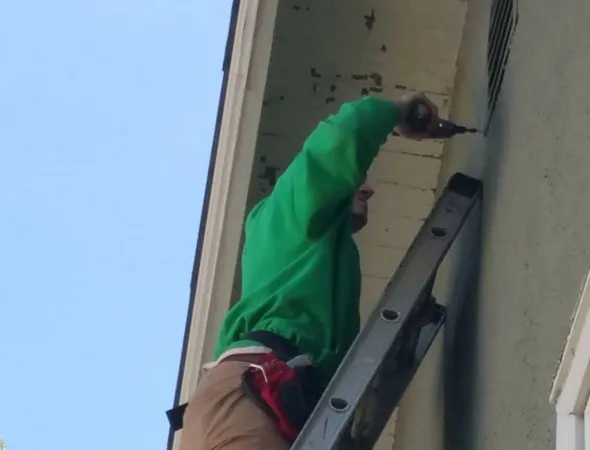
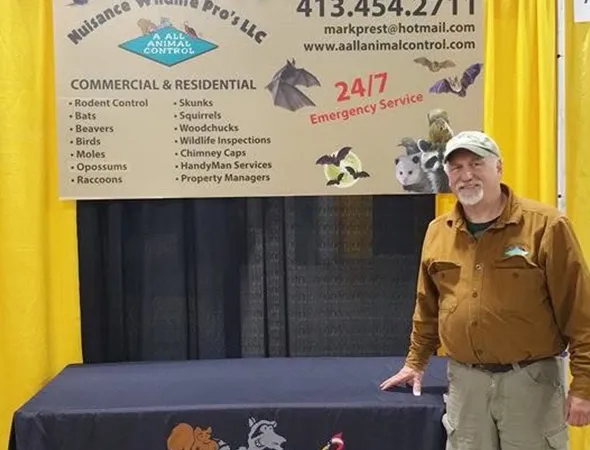
Wildlife requires an access route to enter buildings. Openings can occur around roofs and foundations. Vents, soffits, and chimneys can provide access. We inspect accessible exterior areas for potential entry points. We look for gaps, holes, damaged screens, and loose materials. We also examine signs around these openings. Different species may use different access routes. Squirrels often exploit roofline openings.
Rodents can use considerably smaller foundation gaps. Finding an opening does not prove active use. Animals may have used an opening previously. We therefore compare openings with physical evidence. This helps distinguish active routes from older vulnerabilities. It also prevents unnecessary repairs in some cases. We explain which openings appear most relevant.
Wildlife can create different types of property damage. Chewing may affect wiring, wood, or other materials. Nesting can disturb insulation and ventilation areas. We inspect visible damage for wildlife evidence. We assess chewing marks, nests, disturbed insulation, and contamination. Outdoor damage can provide additional clues. Damage patterns may suggest particular wildlife species. However, damage alone cannot always confirm the animal. We consider multiple signs together.
We also identify areas where damage may continue. Active animals can repeatedly damage the same locations. Finding the source can guide the next service. When chewing or gnawing is associated with activity around structural areas, rodent control may be appropriate when rats or mice are identified. Our inspection focuses on understanding the underlying problem. This provides more value than documenting damage alone. It helps determine appropriate wildlife management.

Wildlife can remain hidden for extended periods. Damage may appear before the animal becomes visible. An inspection can identify signs and potential access points.
It can also help determine the species involved. This makes the next service more focused.
We inspect accessible areas showing possible wildlife activity. We look for tracks, droppings, nests, and damage.
We also assess potential entry and shelter areas. These findings help establish the likely source.
Often, wildlife leaves identifiable physical evidence. Tracks, droppings, nests, and damage provide useful clues.
However, evidence is not always conclusive. We explain what the available signs indicate.
Yes, accessible attic areas can be inspected. We look for nesting, droppings, odours, and damage.
We also assess potential roofline access points. This can help identify how wildlife entered.
Yes, accessible crawlspaces can receive inspection. We look for wildlife signs and foundation openings.
These areas can shelter several wildlife species. Inspection can help determine likely activity.
Yes, we inspect accessible property openings. These can include vents, soffits, roofs, chimneys, and foundations.
We also look for evidence around those openings. This helps determine which routes may remain active.
Unusual scratching can indicate wildlife activity. However, several species can create similar sounds.
Inspection can help identify the likely source. We assess nearby areas for supporting evidence.
Visible damage can provide useful wildlife clues. We inspect chewing, nesting, insulation disturbance, and other evidence.
Some damage may remain inaccessible or hidden. Additional investigation may sometimes be necessary.
It is better to identify active wildlife first. Sealing an occupied opening can trap animals inside.
Inspection helps determine whether an opening remains active. This supports safer exclusion planning.
Yes, outdoor areas can provide important evidence. We assess accessible yards, foundations, roofs, and structures.
Tracks, burrows, feeding signs, and droppings can reveal activity. Outdoor evidence can support species identification.
Yes, rodents leave several common activity signs. Droppings and gnaw marks are important clues.
We also look for travel routes and entry points. These findings can guide rodent control.
Yes, birds can leave nesting materials and droppings. Vents, soffits, chimneys, and rooflines can show activity.
Species identification remains important. Some bird species have legal protections.
Yes, inspections can identify signs around potential roosting areas. Attics and exterior access points may provide evidence.
We focus on accessible areas during inspection. We then explain the findings clearly.
Inspection time depends on property size and complexity. The number of affected areas can also matter.
We focus on thoroughly checking relevant locations. This helps provide useful inspection findings.
We explain the evidence found around your property. We discuss likely species and affected areas.
We then recommend suitable next steps. These depend on the specific wildlife problem.
An inspection can identify vulnerable property areas. It can also reveal potential access points.
Addressing those vulnerabilities may reduce recurring problems. Prevention depends on the species and property.
Unexplained wildlife signs deserve proper attention. We can inspect your property and explain our findings.
Nuisance Wildlife Pros LLC provides professional wildlife inspections. We identify animal activity, access points, and property damage. Our approach focuses on understanding the actual problem. If you suspect wildlife activity, contact us today. We can inspect your property and explain suitable options.
WhatsApp us