
Bats can turn a quiet attic into an ongoing concern. You may hear scratching after sunset. You may also notice droppings around attic spaces. Finding bats indoors can quickly become stressful. At Nuisance Wildlife Pros LLC, we provide humane bat removal. We identify where bats enter your property. Then, we develop a suitable exclusion plan. Our approach protects your property while respecting wildlife.
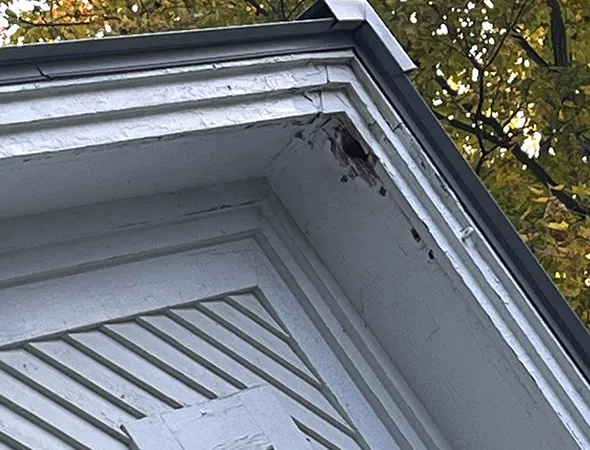
Bat removal involves safely addressing bats inside buildings. The process goes beyond removing visible animals. We identify entry points and potential roosting areas through thorough wildlife inspections. We then plan exclusion around your property’s needs. Bats can enter through extremely small openings. Mass Wildlife notes that half-inch gaps can provide access. Common openings include vents, chimneys, roof gaps, and eaves. These openings can be difficult to spot from ground level.
Timing also matters when removing bats. Massachusetts has specific exclusion requirements. Maternity season requires particular care and consideration. Flightless pups may remain inside during summer. Our work focuses on humane, practical solutions. We do not simply remove bats and leave openings. We identify access routes and address them properly. This helps reduce the chance of future bat problems.
Mice and rats can enter through small openings. They can damage wiring, insulation, and stored materials. Our rodent control focuses on access and activity. We also address conditions encouraging repeat intrusion.
Our bat removal service addresses active bat problems. We inspect likely roosting and entry areas carefully. We then develop a suitable exclusion strategy. Timing remains important throughout the process.
Beavers can create substantial flooding problems. Their dams can block culverts and drainage routes. This can affect land, roads, and nearby properties. Beaver control requires careful site assessment.
Birds can nest around vents and rooflines. Commercial buildings can also attract roosting birds. Nesting can affect airflow and building conditions. We provide suitable bird exclusion solutions.
Moles mainly create problems across lawns. Their tunnels can produce ridges and disturbed soil. Their activity differs from structural wildlife. We focus specifically on lawn-based mole activity.
Opossums often use sheltered outdoor spaces. Decks, sheds, and crawlspaces provide suitable cover. They may occasionally enter attics or other spaces. We identify access points before planning removal.
Raccoons can enter attics, chimneys, and crawlspaces. They can cause significant property damage. Mothers may also have dependent young nearby. We consider nesting activity before taking action.
Skunks usually seek shelter near ground level. They often den beneath decks, porches, and sheds. Their digging can also affect lawns. We focus on safe removal and suitable exclusion.
Squirrels commonly enter attics and roof spaces. They can damage insulation, wiring, and building materials. We identify their access points before removal. We also focus on preventing repeat entry.
Woodchucks are persistent and powerful burrowers. Their tunnels can develop beneath structures. They can also damage gardens and landscaping. Our approach addresses both animals and burrows.
Wildlife inspections help identify unexplained animal activity. We assess roofs, vents, foundations, and other areas. Inspections can identify likely entry points and damage. They can guide future exclusion work.
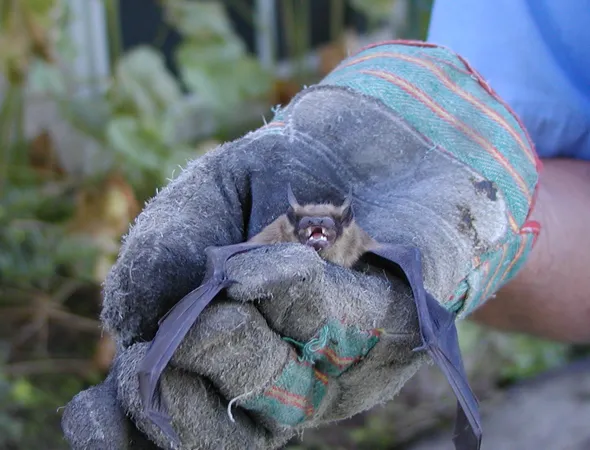
We inspect areas affected by ongoing bat activity. This includes attics, insulation, ceilings, and wall spaces. We look for staining, droppings, and other visible concerns. This helps you understand the property’s condition.
We assess the areas where bats have been active. Your attic may show signs that require attention. Insulation can also need closer evaluation after nesting. We explain what we find during the inspection.
Our assessment helps separate minor concerns from larger issues. We identify areas that may need further restoration. You can then make informed decisions about your property. We focus on practical recommendations for your situation.
We begin with a detailed property inspection. We look for signs of bat activity. We examine likely attic and roofline entry points. We also consider potential roosting locations.
We develop an appropriate exclusion plan. One-way devices can allow bats to leave safely. They can prevent re-entry through treated openings. We also consider Massachusetts timing requirements.
After successful exclusion, we address access points. We seal suitable openings around the structure. This reduces opportunities for future bat entry. We can also identify further prevention needs.
Professional bat removal provides more than immediate relief. It helps address the cause behind your bat problem. Our service focuses on safety, prevention, and property protection.
Protect Your Attic
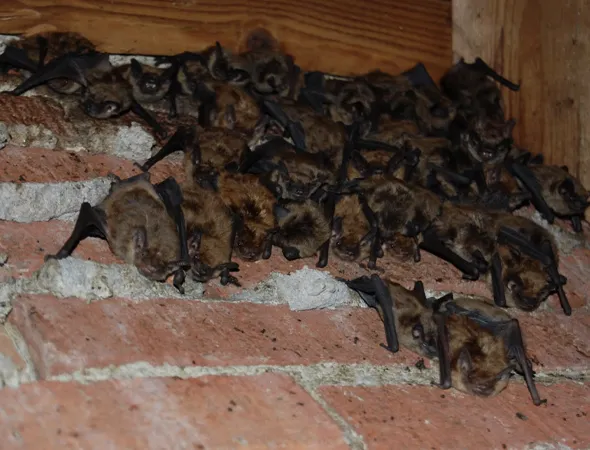
Bats can establish roosts inside attic spaces. We identify their access routes and activity areas. This helps you address the problem before it grows.
Prevent Repeat Bat Entry
Removing bats does not close entry points. Openings can allow future colonies inside. We help identify and address those vulnerable areas.
Support Humane Removal
Massachusetts protects bats from deliberate killing. Our approach focuses on safe, humane exclusion. We consider seasonal requirements before starting work.
Reduce Property Concerns
Bat colonies can leave droppings beneath roosting areas. Accumulation can create unpleasant attic conditions. We can assess affected areas after exclusion.
Get A Complete Solution
We look beyond the bats you can see. Our inspection identifies potential access points. This helps create a longer-term wildlife solution.
Your Springfield attic can offer bats ideal shelter. It protects them from weather and predators. It can also provide suitable roosting conditions. Older properties may contain several possible access points. You may first notice bats through evening sounds. Scratching can become noticeable after sunset. You might also find droppings beneath roosting areas. Sometimes bats can enter living spaces through interior gaps. When you contact us, we investigate these signs carefully.
We look for evidence throughout the attic. We also examine exterior openings around your property. Your observations can help us locate activity. We then create a removal plan around your situation. We consider colony location and seasonal timing. Maternity colonies require additional care during sensitive periods. Our goal is safe removal without unnecessary harm. The work does not stop after bats leave. We also examine how they entered. This makes exclusion and sealing important parts of removal. You receive a more complete approach to your bat problem.
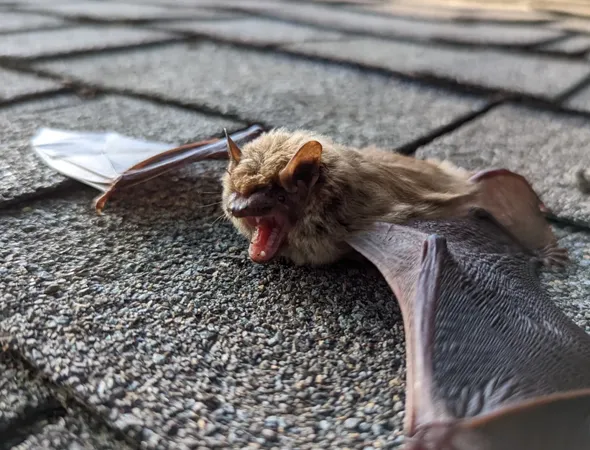
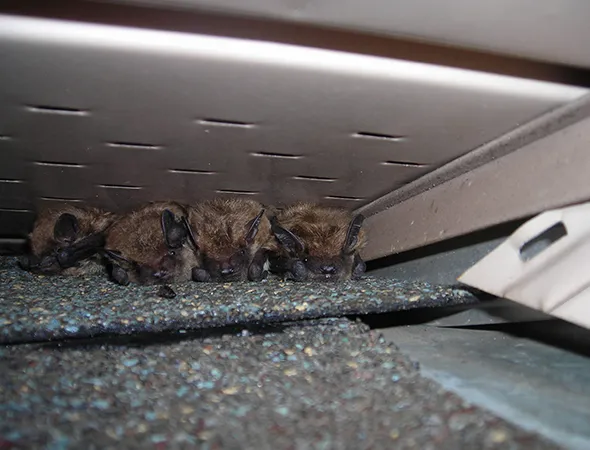
Bat exclusion focuses on preventing bats from returning. Removing bats alone leaves potential access points open. Those openings can allow future colonies inside. Exclusion addresses the underlying access problem. One-way exclusion devices can support humane removal. They allow bats to leave through selected openings. They prevent bats from returning through those openings. Other gaps can then be sealed appropriately. Timing remains particularly important in Massachusetts. Exclusion during maternity season can create problems.
Flightless pups may remain inside buildings. Removing adults can leave young bats trapped. We consider these factors before starting exclusion. You should understand why timing matters. We also explain what the process involves. This keeps the work clear from the beginning. Our goal is a safer property for everyone. You want bats outside your home. We want to achieve that without unnecessary harm. Humane exclusion helps balance both priorities.
Bats can use openings that seem insignificant. A half-inch gap may provide enough access. Roof edges and vents can create hidden routes. Chimneys and eaves can also provide entry. Your property may have several potential openings. One visible gap does not tell the whole story. Bats can move between different access points. That makes thorough inspection particularly important. We inspect the exterior for likely entry routes.
We look around rooflines, vents, soffits, and gaps. We also consider areas connected to attic spaces. Your property’s construction helps guide our inspection, including areas that may also be vulnerable to squirrel entry. Once bats safely exit, sealing can begin. We address appropriate openings around the structure. This reduces opportunities for future bat entry. It also supports the long-term exclusion strategy. You should not have to repeat the same problem. We focus on the reason bats entered. That means identifying and addressing access points. Prevention becomes part of your overall solution.
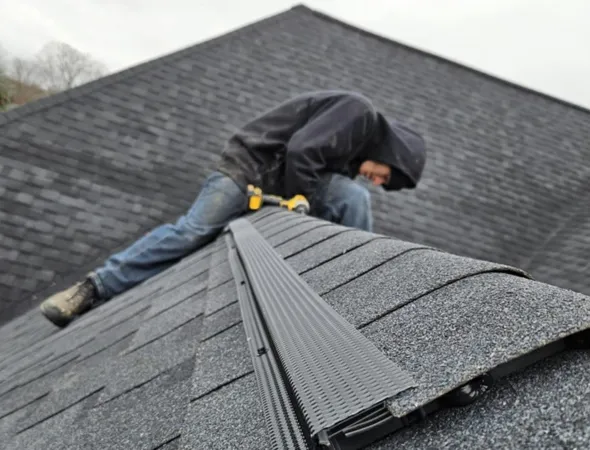
Several signs can indicate bat activity. You may hear scratching around dusk. You might see bats leaving the roofline at sunset. Droppings can also appear beneath attic roosts.
A single sighting does not confirm a colony. Repeated activity deserves closer inspection. We can examine your attic and exterior areas. This helps identify whether bats are actively using your property.
Bats can enter through surprisingly small openings. MassWildlife notes that openings around half an inch can provide access. This makes small roofline gaps worth checking.
Common entry areas include vents and chimneys. Roof edges and eaves can also provide access. We inspect these areas during a wildlife assessment.
Bat exclusion requires careful seasonal planning. Massachusetts has restrictions around maternity-season exclusion. Young bats may remain flightless inside roosts.
Excluding adults during this period can trap young bats. It can also create additional problems inside buildings. We consider the timing before recommending exclusion work.
A one-way device allows bats to leave safely. It prevents them from returning through that opening. Other suitable gaps can then be sealed.
This approach focuses on exclusion rather than harmful removal. The device must be used at an appropriate time. Weather and seasonal conditions can also affect exclusion success.
Bats can return if access points remain open. Removing visible bats does not address those openings. Future colonies may use the same routes.
That is why exclusion and sealing matter. We identify potential access points during inspection. We then address suitable openings after successful exclusion.
Bat guano is not considered uniquely toxic. MassWildlife states that bat guano is not known toxic. Extensive accumulation can still create unpleasant conditions.
Affected attic areas may require appropriate cleanup. We can assess the condition after exclusion. This helps determine what cleanup work may be necessary.
Keep children and pets away from the bat. Avoid touching it with your bare hands. Do not attempt to handle or chase it aggressively.
If direct contact occurs, seek medical advice promptly. This includes possible bites or scratches. A bat found near a sleeping person also deserves special attention.
The timeline depends on the property and colony. Entry points, weather, and seasonal timing can affect the process. A larger property may also require additional inspection.
We first assess the situation before recommending work. This helps establish a realistic removal approach. We can explain the expected process after inspection.
Bats generally cause less structural damage than some wildlife. However, colonies can create problems inside attic spaces. Droppings can accumulate beneath established roosts.
Bats can also enter wall or ceiling spaces. Their presence may create unpleasant conditions indoors. Addressing the access point helps prevent continued activity.
Have you heard bats inside your property? Have you noticed bats leaving your roof? You can contact us for a professional assessment.
Nuisance Wildlife Pros LLC provides humane bat removal services. We focus on inspection, exclusion, and entry prevention. Our approach considers your property and local requirements. We help Springfield property owners address bat activity properly.
If bats have entered your property, contact us today. We can discuss your situation and arrange an inspection.
WhatsApp us