
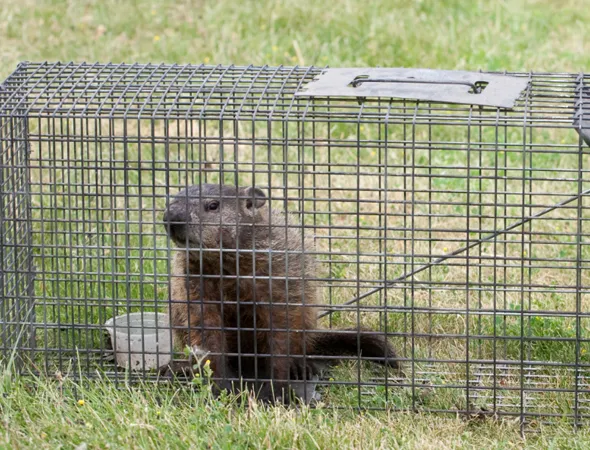
Woodchucks can cause problems through persistent burrowing. Their tunnels may develop beneath decks and foundations. Garden damage can also become frustrating quickly. Nuisance Wildlife Pros LLC provides professional woodchuck removal. We inspect active areas before recommending suitable solutions. Our team focuses on the source of the problem.
A wildlife inspection examines your property for animal activity. We look for physical signs left by wildlife. We also identify areas where animals may enter or shelter. Different species leave different signs behind. Droppings, tracks, nests, and chewing provide useful clues. Sounds and feeding signs can also reveal activity.
We inspect accessible areas around your property. These may include attics, crawlspaces, roofs, foundations, and yards. The inspection focuses on areas showing potential wildlife activity. Identifying the species comes before choosing a solution. For example, animals found around attics and roof spaces may require specialized bat removal when bats are identified. This helps avoid unnecessary treatments or incorrect removal. It also helps uncover potential access points.
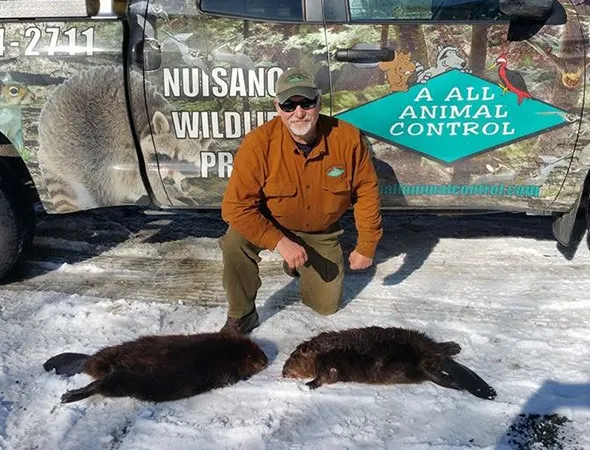
Mice and rats can enter through small openings. Older properties may contain multiple hidden travel routes. Our rodent control service identifies activity and access points. We emphasise exclusion alongside appropriate control measures.
Bats often seek protected spaces around buildings. Attics and exterior openings can provide suitable shelter. Our bat removal service identifies activity and access points. We then recommend suitable steps for your property.
Beavers can affect properties near waterways. Their dams can change natural water movement. Our beaver control service assesses active areas. We then recommend suitable wildlife management options.
Birds can establish nests around exterior structures. Vents and rooflines may attract nesting activity. Our bird removal service identifies affected areas. We then recommend suitable removal measures.
Moles create underground activity across lawns. Their tunnels can leave visible raised ridges. Our mole control service identifies active tunnelling areas. We then recommend suitable control measures.
Opossums often seek quiet outdoor shelter. They may hide beneath decks and sheds. Our opossum removal service identifies their preferred shelter. We then recommend practical removal options.
Raccoons can enter protected areas around properties. Their activity may cause noise and property damage. Our raccoon removal service begins with careful assessment. We then address the specific wildlife situation.
Skunks generally remain around ground-level shelter. They often use decks, sheds, and porches. Our skunk removal service focuses on active skunk locations. We also consider denning and spray concerns.
Squirrels commonly move around trees and rooflines. They may also enter sheltered building spaces. Our squirrel removal service identifies active areas and access routes. We then recommend an appropriate removal approach.
Woodchucks are powerful and persistent burrowers. They can tunnel beneath structures and landscaped areas. Garden and crop damage can also become significant. Our woodchuck removal service focuses on active burrows. We assess the surrounding property before removal.
Wildlife inspections help identify unexplained animal activity. We look for tracks, damage, droppings, and shelter. Our inspections help identify the species involved. This creates a clearer direction for removal.
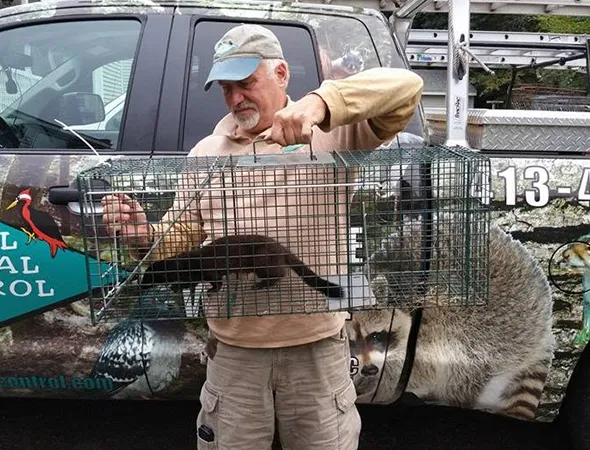
Woodchucks can cause problems beyond garden damage. Their burrows can affect surrounding soil and structures. Professional removal helps address active wildlife problems.
Protect Structural Areas
Woodchuck burrows can develop beneath structures. Addressing active burrowing helps protect surrounding areas.
Reduce Garden Damage
Groundhogs commonly feed on plants and vegetables. Removing active animals can reduce repeated feeding.
Address Hidden Burrows
A visible hole may not show everything. Inspection can reveal additional entrances and activity.
Protect Outdoor Spaces
Decks, sheds, and patios can attract groundhogs. Addressing activity helps protect these areas.
Support Agricultural Properties
Groundhogs can affect gardens and crop areas. This matters particularly around agricultural communities.
We inspect visible burrows and surrounding areas. We look for fresh digging and activity signs. Nearby structures also receive careful attention.
We assess the specific woodchuck situation. We consider the burrow location and property conditions. Then, we recommend suitable removal steps.
We identify areas vulnerable to future burrowing. We assess practical exclusion opportunities around structures. This can help reduce recurring activity.
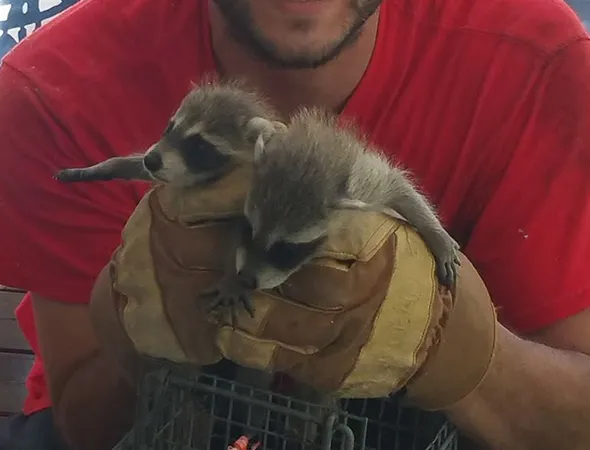
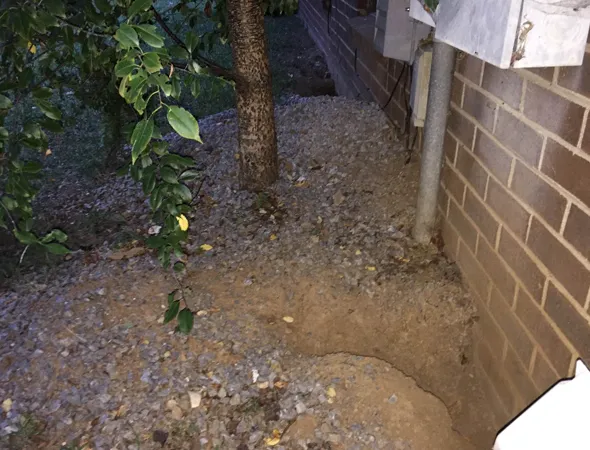
A visible groundhog hole may show only one entrance. Woodchucks can create larger underground burrow systems. Additional entrances may exist nearby. Fresh soil can indicate recent digging activity. Tracks and disturbed vegetation can provide further clues. Regular sightings can also confirm movement. We inspect the burrow and surrounding property carefully. We consider nearby decks, sheds, and landscaping. We also look for additional signs of activity.
Burrow location matters when structures are nearby. Tunnels beneath patios or foundations can create concerns. Structural damage should receive separate professional assessment. Our inspection helps establish the activity’s location. It also provides useful information for removal planning. This keeps our approach focused and practical.
Groundhog burrows near foundations deserve careful attention. Persistent digging can disturb soil around structures. This can create concerns around foundation areas. We inspect visible burrows near your foundation. We look for fresh excavation and movement signs. We also assess nearby soil conditions. Woodchucks may choose foundation areas for shelter. Existing landscaping can provide additional protection. These conditions may encourage continued activity.
Our service focuses on the active wildlife problem. We identify where groundhogs are burrowing. We then recommend appropriate removal steps. Structural concerns require suitable building assessment. We do not assume every burrow causes structural damage. Our inspection helps identify when further evaluation may matter.

Wildlife can create different types of property damage. Chewing may affect wiring, wood, or other materials. Nesting can disturb insulation and ventilation areas. We inspect visible damage for wildlife evidence. We assess chewing marks, nests, disturbed insulation, and contamination. Outdoor damage can provide additional clues. Damage patterns may suggest particular wildlife species. However, damage alone cannot always confirm the animal. We consider multiple signs together.
We also identify areas where damage may continue. Active animals can repeatedly damage the same locations. Finding the source can guide the next service. When chewing or gnawing is associated with activity around structural areas, rodent control may be appropriate when rats or mice are identified. Our inspection focuses on understanding the underlying problem. This provides more value than documenting damage alone. It helps determine appropriate wildlife management.
Patios can provide suitable locations for groundhog burrowing. Soil around patio edges may offer easy digging access. Burrows beneath hardscaping can remain hidden. Groundhog activity may create voids beneath surfaces. Uneven areas can become noticeable over time. However, structural impact varies between properties.
We inspect patio edges and surrounding soil carefully. We look for active entrances and fresh excavation. We also assess nearby shelter locations. A visible opening may not reveal the full burrow. Groundhog tunnels can extend beyond the entrance. Inspection helps establish the likely activity area. Our focus remains on removing active woodchuck activity. Structural repairs require appropriate building professionals. We can help identify wildlife-related concerns during inspection.
Yes, woodchuck and groundhog describe the same animal. Both terms are widely used in North America. Searches may therefore use either name.
Woodchucks dig burrows for shelter and protection. Their underground systems provide safe resting areas. Burrows can also contain multiple entrances.
Woodchucks prefer areas offering shelter and suitable soil. They may burrow beneath decks and sheds. Foundations, patios, and landscaped areas can also attract them.
Fresh soil around an entrance can indicate activity. New digging provides another useful sign. Regular groundhog sightings can also provide evidence.
Burrowing near foundations can disturb surrounding soil. This may create concerns depending on site conditions. Structural impact varies between properties.
A qualified professional should assess suspected structural damage. Our service focuses on identifying active wildlife activity.
Yes, groundhogs can burrow beneath patio areas. Their tunnels may create voids beneath surfaces. Uneven areas may develop in some circumstances.
We can inspect surrounding areas for active burrowing. Structural repairs require appropriate building assessment.
Woodchucks commonly feed on vegetation. Gardens can therefore become attractive feeding areas. Repeated visits may damage vegetables and plants.
Agricultural areas provide abundant vegetation and shelter. Gardens and crops can attract feeding wildlife. Open land can also provide suitable burrowing areas.
Hadley and Deerfield include agricultural communities. Groundhog activity can therefore be especially relevant there.
Yes, decks can provide sheltered burrowing locations. The surrounding soil can also support excavation. We inspect around deck edges for activity.
Yes, sheds can provide suitable shelter. Groundhogs may create burrows around sheltered structures. Fresh soil can indicate recent activity.
Woodchuck activity varies with the season. They are generally more active during warmer months. Food availability also influences their movements.
Filling an active burrow may not solve the problem. The animal may remain nearby or create another entrance. Identifying active wildlife first is important.
Start by identifying active burrows and access points. Ground-level exclusion may help in suitable situations. Property conditions determine the appropriate approach.
The timeline depends on the specific situation. Burrow location can affect the removal process. Multiple activity areas may require additional assessment.
We inspect your property before recommending an approach. This helps determine the appropriate next steps.
Groundhog burrows can create problems around your property. We can assess the activity and explain your options.
Nuisance Wildlife Pros LLC provides professional woodchuck removal services. We handle groundhog burrows around homes and properties. We also address garden and structural concerns. If woodchucks are damaging your property, contact us today. We can assess the activity and explain suitable options.
WhatsApp us