
Skunks can make your property uncomfortable quickly. They often hide beneath decks and porches. Their digging can also damage your lawn.
Nuisance Wildlife Pros LLC provides professional skunk removal. We locate activity and assess the situation. Then, we recommend the appropriate removal approach.
Skunk removal addresses unwanted skunk activity around properties. Skunks usually stay close to ground-level shelter. They rarely enter attics like squirrels or raccoons. Decks, sheds, and porches provide excellent shelter. Concrete steps can also create protected spaces. These locations offer shade and limited human disturbance. Skunks can become especially troublesome around homes. Their spray can create persistent odors outdoors. Their digging can also leave lawns covered with holes. Skunks often forage for grubs and other insects. This behaviour can disturb lawns overnight. Repeated foraging may leave noticeable property damage.
Denning periods can also increase skunk activity. A sheltered location may become a regular resting site. Identifying that location is important before removal. Skunks are recognized as rabies vector species. Direct contact should therefore always be avoided. Professional handling helps reduce unnecessary wildlife contact. Our process begins with a careful inspection. We look for signs of skunk activity. We also identify likely shelter and entry points. This helps us understand your specific situation. We then recommend a suitable removal approach. Our goal is effective and responsible skunk removal.
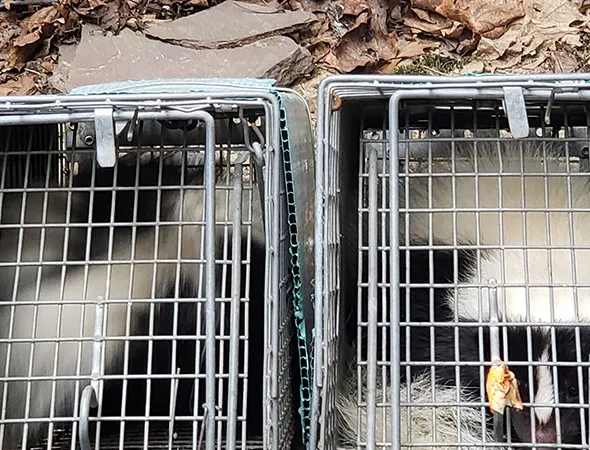
Rodents can enter properties through very small openings. Mice and rats can establish ongoing activity indoors. Their presence can affect insulation and stored belongings. Our rodent control service identifies active areas and signs. We then assess conditions supporting continued rodent activity.
Bats often seek quiet, sheltered areas around properties. Attics and exterior openings can provide suitable roosting spaces. Their activity can remain unnoticed until it increases. Our bat removal service identifies activity and likely roosting areas. We then recommend an appropriate approach for the property.
Beavers can affect properties located near waterways. Their dams can alter drainage and water movement. This may create problems for nearby landowners. Our beaver control service assesses active areas and conditions. We then recommend suitable wildlife management steps.
Birds can establish nests around exterior structures. Vents, rooflines, and openings can attract nesting birds. Their activity may create noise and property concerns. Our bird removal service identifies affected nesting areas. We then determine an appropriate approach for the situation.
Moles primarily create problems beneath lawns and gardens. Their tunnelling can leave raised ridges across grass. Repeated activity can affect large lawn areas. Our mole control service focuses on active tunnelling. We assess affected areas before recommending suitable control.
Opossums often look for quiet outdoor shelter. They may use spaces beneath structures and decks. Their nighttime behaviour can make them difficult to spot. Our opossum removal service identifies their preferred shelter areas. We then recommend suitable removal steps.
Raccoons can exploit vulnerable areas around properties. They may seek shelter in attics and other protected spaces. Their activity can create noise and property damage. Our raccoon removal service begins with identifying active areas. We then develop an approach suited to the situation.
Skunks usually remain around ground-level areas. They often shelter beneath decks, sheds, and porches. Their spray can make encounters particularly unpleasant. Lawn digging can also indicate regular skunk activity. Our skunk removal service focuses on locating and addressing active skunks.
Squirrels can become persistent around homes and businesses. They frequently move through trees and rooflines. They may also seek shelter inside buildings. Our squirrel removal service focuses on active squirrel activity. We assess their movements and likely access areas before removal.
Woodchucks are strong and persistent burrowing animals. Their tunnels can affect lawns and landscaped areas. Burrows may also develop near structures. Our woodchuck removal service focuses on active burrowing locations. We assess movement patterns and affected property areas.
Wildlife inspections help identify unexplained animal activity. They are useful when signs appear without sightings. We look for tracks, damage, dens, and droppings. We also inspect likely wildlife shelter locations. This helps determine which wildlife service fits your situation.
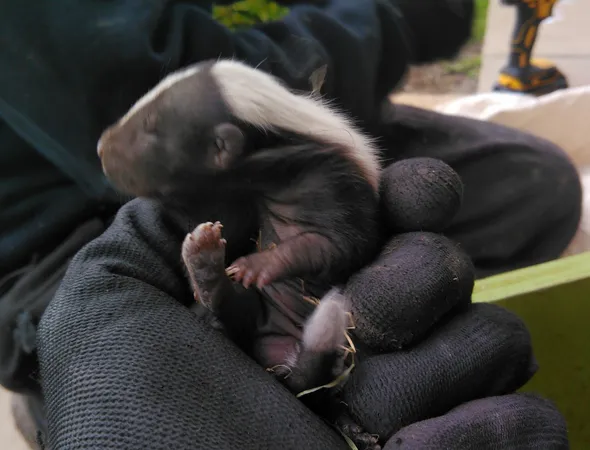
Skunk activity can become disruptive very quickly. Professional removal helps address the problem directly. It also helps protect outdoor areas around your property.
Reclaim Outdoor Spaces
Skunks can occupy spaces beneath decks and porches. Removing active animals helps restore these areas.
Reduce Spray Concerns
Skunk spray can create persistent unpleasant odours. Professional removal helps reduce repeated encounters.
Protect Your Lawn
Skunks may dig through lawns while foraging. Addressing active activity can help limit continued disturbance.
Identify Hidden Dens
Skunks can remain hidden beneath structures. Proper inspection helps locate their preferred shelter.
Reduce Contact Risks
Skunks are recognised as rabies vector species. Professional handling reduces unnecessary wildlife contact.
We inspect areas showing signs of skunk activity. We check decks, sheds, porches, and steps. We also look for denning evidence and digging.
We determine the appropriate removal approach. We consider the skunk's location and behavior. Spray risk also forms part of our assessment.
We assess areas where skunks can gain shelter. Ground-level gaps can encourage repeated activity. We identify suitable exclusion considerations for your property.
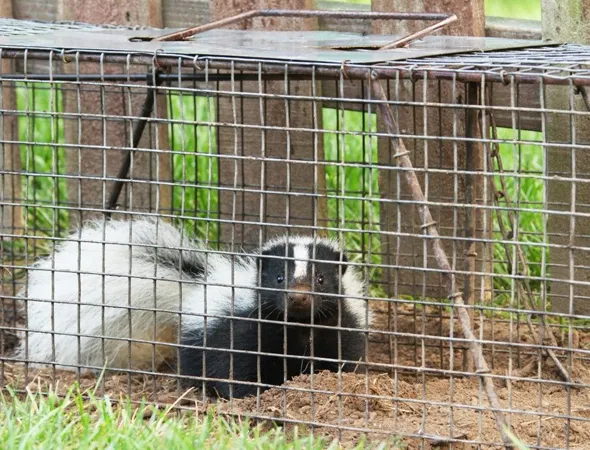
The space beneath your deck may seem insignificant. For a skunk, it can provide excellent shelter. It offers shade, protection, and limited disturbance. Skunks may use these spaces for resting. They can also establish dens beneath suitable decks. Similar under-deck sheltering behavior can occur with woodchuck removal situations. Regular activity can create noticeable odors nearby. You may notice digging around the deck perimeter. You might also see skunks entering after sunset. Repeated sightings can indicate established activity.
We inspect beneath and around the deck carefully. We look for signs of regular skunk use. We also identify potential access points. Skunk removal around decks requires careful handling. A startled skunk can spray when threatened. Our assessment helps determine the safest approach.
Skunks can remain hidden for long periods. Their preferred shelter may not be immediately visible. Finding the den can therefore be challenging. They often choose protected ground-level spaces. Decks, sheds, porches, and steps can provide cover. Vegetation can also conceal potential shelter. Digging near an opening can indicate regular use. Strong odors may provide another useful clue. Tracks can also appear around frequently used areas.
We inspect areas showing these signs carefully. We look for evidence of active denning. We also consider nearby movement and shelter. A proper inspection reduces unnecessary guesswork. It helps identify where the skunk is active. This allows us to plan removal more appropriately.
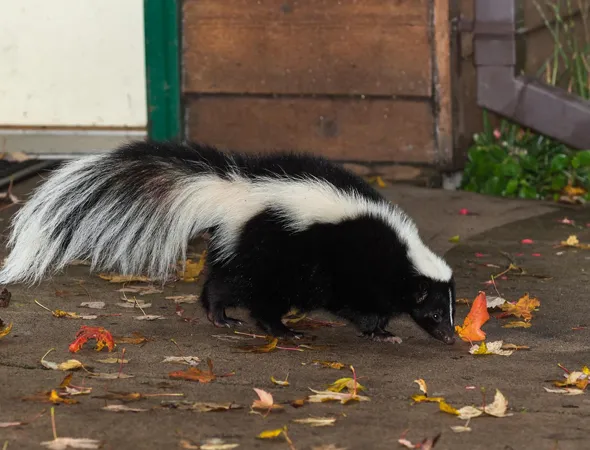
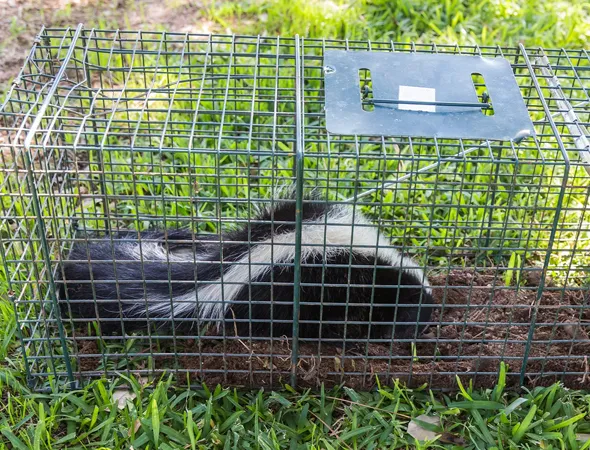
Skunk spray can quickly disrupt your property. The odor may linger around outdoor areas. It can also affect people and pets nearby. Skunks spray when they feel threatened or cornered. Sudden movements can increase this risk. Careful assessment therefore matters during removal. We identify where the skunk is currently active.
We also consider nearby structures and movement routes. This helps us approach the situation carefully. Spray incidents commonly occur around outdoor shelters. Decks, porches, and sheds can become problem areas. Understanding these locations helps with removal planning. Our focus remains the active skunk problem. We consider spray risk throughout the process. This helps minimize unnecessary disturbance.
Skunks often search lawns for insects and grubs. Their foraging can leave small holes across grass. Repeated activity can quickly become noticeable. You may find several holes after overnight activity. Fresh soil can appear around disturbed areas. These signs can point toward skunk foraging. Similar lawn disturbances can also be associated with mole control, although the signs and causes can differ.
We inspect affected lawn areas for activity signs. We also examine nearby shelter locations. This helps connect lawn damage with wildlife movement. Removing active skunks can reduce continued digging. Understanding their preferred areas can also help. We consider the wider property during assessment. Our goal is to address the wildlife causing disturbance. We do not assume every lawn problem involves skunks. Careful inspection helps confirm the actual situation.
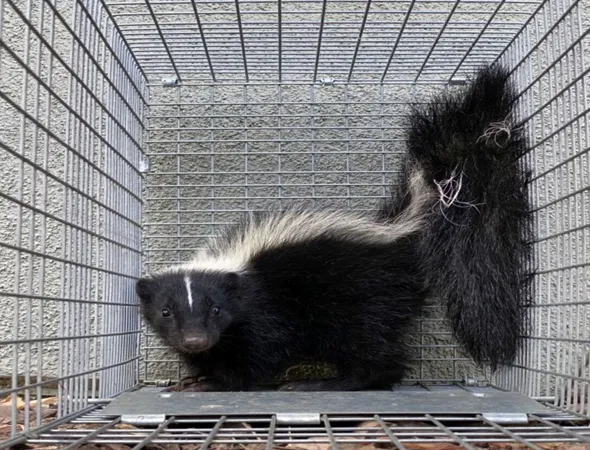
Skunks usually prefer sheltered ground-level locations. They may hide beneath decks and porches. Sheds and concrete steps can also provide shelter.
They generally avoid attic spaces. This makes their behaviour different from raccoons. Ground-level inspections are especially useful for skunks.
Strong odours can indicate skunk activity. Small lawn holes can provide another clue. You may also notice tracks around sheltered areas.
Repeated sightings near decks can indicate activity. Digging around structures may also reveal movement.
Skunks often forage for grubs and insects. Their search for food can disturb lawns. Several small holes may appear overnight.
We inspect affected areas for skunk activity. We also look for nearby shelter and movement patterns.
Yes, decks can provide suitable skunk shelter. The space offers shade and protection. It can also provide a suitable denning environment.
Look for digging near deck edges. Strong odours can also suggest nearby activity.
Yes, skunks can use spaces beneath sheds. These areas can provide quiet and protected shelter. Gaps beneath the structure may allow easy entry.
We inspect around shed edges for activity. Nearby digging can provide additional evidence.
Porches can provide suitable ground-level shelter. Skunks may enter through gaps underneath. They can then remain hidden from view.
Odours around the porch may indicate activity. Digging near access points can provide another clue.
Yes, skunks can spray when threatened. Sudden movements may increase the risk. Careful removal planning therefore matters.
We assess the animal’s location before taking action. This helps reduce unnecessary disturbance.
Skunk odour can become noticeable beyond the immediate area. Wind and outdoor conditions can affect how far it spreads.
A strong smell around your property may indicate nearby activity. Inspection can help identify the source.
Skunks are wild animals and can become defensive. Direct contact should always be avoided. Skunks are recognised as rabies vector species.
Keep children and pets away from active skunks. Do not attempt to corner or handle them.
Skunks are recognised as rabies vector species. This does not mean every skunk has rabies. However, direct contact should always be avoided.
Keep pets and children away from wild skunks. Seek medical advice after potential exposure.
First, identify where skunks are accessing the space. Look for gaps around the deck perimeter. Check nearby soil for digging activity.
Ground-level screening can help in suitable situations. Trenching may also form part of exclusion work.
Skunk activity can vary throughout the year. Denning periods can increase activity around properties. Food availability can also affect movement.
Sheltered outdoor spaces may attract skunks regularly. Inspection can help identify why they remain nearby.
Keep people and pets away from the area. Avoid approaching the skunk immediately. Give the animal space to move away.
If the skunk remains nearby, contact a professional. Avoid cornering or capturing it yourself.
DIY removal can create unnecessary spray risks. A cornered skunk may react defensively. Direct contact can also create avoidable concerns.
Professional assessment provides a safer alternative. We can first determine where the skunk is active.
The timeline depends on the property’s circumstances. The skunk’s location can affect the process. Denning activity can also require consideration.
We inspect the situation before recommending an approach. This helps determine the appropriate next steps.
Skunk activity can quickly disrupt your outdoor spaces. We can assess the situation and explain your options.
Nuisance Wildlife Pros LLC provides professional skunk removal services. We focus on ground-level skunk activity and denning. Our approach considers spray risks and property conditions. If skunks are disturbing your property, contact us today. We can inspect the situation and explain suitable options.
WhatsApp us