
Raccoons can invade protected spaces around your property. They often target attics, chimneys, and crawlspaces. Their activity can cause serious property damage. Nuisance Wildlife Pros LLC provides professional raccoon removal. We assess the situation before taking action. We also consider maternity situations during spring.
Raccoon removal addresses unwanted raccoon activity safely. Raccoons are strong, adaptable, and excellent climbers. They can exploit weak areas around buildings. Attics provide warmth and shelter from weather. Chimneys can offer protected denning locations. Crawlspaces provide quiet areas away from people.
Raccoons can damage several parts of your property. They may tear insulation while creating nests. They can also damage ductwork and roofing.
Spring requires particular care during raccoon removal. Female raccoons may have dependent kits nearby. Removing the mother can strand the young. Raccoons are also recognised as rabies vector species. Direct contact with wild raccoons should be avoided. Professional handling helps reduce unnecessary contact. Our approach starts with understanding your situation. We inspect activity and potential denning areas. We also consider visible property damage. This allows us to recommend suitable raccoon removal. We focus on resolving the actual wildlife problem. We also consider your property’s specific conditions.
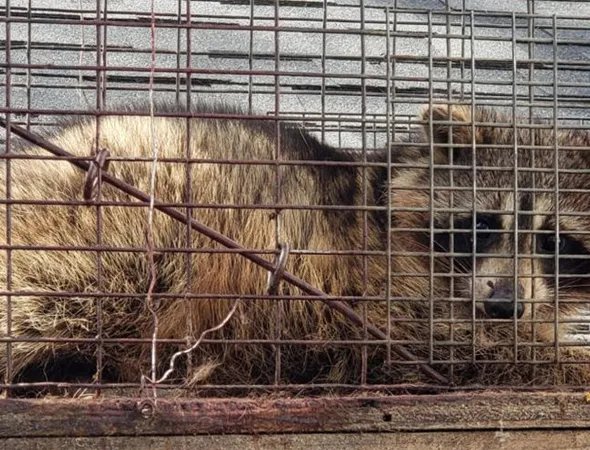
Mice and rats can enter through small openings. They can damage wiring and insulation. They can also contaminate areas through nesting activity.
Our rodent control addresses active wildlife problems. We also consider conditions supporting continued activity. This helps create a more complete solution.
Bats commonly seek sheltered areas inside buildings. Attics can provide suitable roosting environments. We assess bat activity before recommending removal. Our approach considers where bats are roosting. We also identify areas connected to their activity. This helps address the problem more carefully.
Beavers can create problems around waterways. Their dams can affect drainage and surrounding landscapes. Flooding can become a significant property concern. We assess beaver activity and affected areas. We consider the surrounding environment before recommending action. This helps address the specific wildlife issue.
Birds can establish nests around buildings. Vents, rooflines, and soffits can attract nesting birds. Commercial properties may also experience bird activity. We assess where birds are nesting or gathering. We consider the building and affected areas. This helps determine the appropriate removal approach.
Moles mainly affect lawns and landscaped areas. Their tunnels can create raised ridges across grass. They can quickly make lawns look uneven.
We assess visible tunnelling and activity areas. We then focus on the specific mole problem. This keeps the service targeted and practical.
Opossums often seek sheltered areas around buildings. Crawlspaces and sheds can provide suitable protection. They may also use spaces beneath decks. We assess where opossums are active. We look for signs around likely sheltering areas. This helps guide the removal process.
Raccoons can enter attics, chimneys, and crawlspaces. They may establish dens inside protected areas. Their strength can cause considerable structural damage. We assess where raccoons are active. We also check for nesting and maternity concerns. This helps us recommend suitable removal steps.
Skunks often shelter around ground-level structures. They may use decks, porches, and sheds. Their presence can create strong odour concerns. We identify where skunks are sheltering. We then assess the surrounding property conditions. This helps determine an appropriate removal approach.
Squirrels frequently enter attics and roof spaces. Their chewing can damage wiring and building materials. They can also establish nests inside insulation. We assess squirrel activity and likely access areas. We consider nesting conditions before recommending removal. This helps address the problem appropriately.
Woodchucks are powerful and persistent burrowers. Their tunnels can affect lawns and nearby structures. They can also damage gardens and landscaping. We assess visible burrowing and activity patterns. We consider how the animals use your property. This helps determine suitable control measures.
Wildlife inspections help identify unexplained animal activity. We inspect accessible areas around your property. We look for signs, damage, and potential activity. Inspections can help determine which service you need. They can also reveal problems that are easy to miss. This gives you clearer information before taking action.
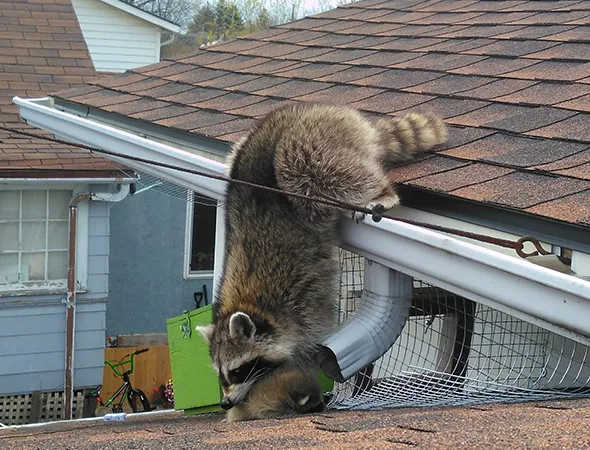
Professional raccoon removal addresses more than visible activity. It helps protect your property and household. Our approach also considers responsible wildlife handling.
Protect Your Property
Raccoons can damage roofing and building materials. Addressing activity early can help limit damage.
Protect Electrical Wiring
Raccoons may chew exposed electrical wiring. Damaged wiring can create a genuine fire risk.
Protect Insulation
Raccoons can disturb insulation while nesting. Removing active animals can help protect affected spaces.
Address Maternity Concerns
Female raccoons may have dependent kits during spring. Careful assessment helps avoid unnecessary separation.
Reduce Wildlife Contact
Raccoons are recognised as rabies vector species. Professional handling reduces unnecessary direct contact.
We inspect areas showing raccoon activity. We check attics, chimneys, and crawlspaces. We also look for dens and property damage.
We develop an approach around your situation. Maternity cases receive additional consideration. We work around your property's specific conditions.
We assess areas involved in raccoon activity. We identify vulnerable locations around the building. We can discuss suitable next steps with you.
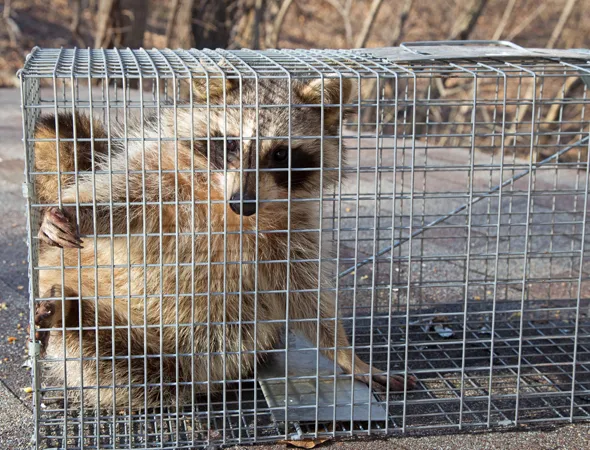
Attics provide attractive shelter for raccoons. They offer warmth and protection from weather. Insulation can also provide nesting materials. You may hear heavy movement above your ceilings. Scratching sounds can become noticeable at night. Strong footsteps can indicate a larger animal.
Raccoons may disturb insulation while nesting. They can also affect ductwork and surrounding materials. Prolonged activity can increase property damage. We inspect accessible attic spaces carefully. We look for nesting evidence and raccoon activity. We also examine potential access locations. A thorough wildlife inspection can help identify signs of activity and potential entry points. Spring requires additional attention in attic situations. Female raccoons may have dependent kits nearby. We assess the situation before recommending removal.
Chimneys can provide sheltered denning locations. Raccoons may enter through exposed chimney openings. They can then remain hidden from household activity.
Scratching sounds may indicate chimney activity. You may also hear movement from above. Nesting materials can provide another useful clue. Do not reach inside the chimney yourself.
A frightened raccoon can become defensive. Professional assessment provides a safer approach. We inspect the chimney and surrounding roofline. We look for signs of raccoon occupancy. We also consider possible denning activity. Each chimney situation can differ considerably. Building design can affect raccoon access. We consider these conditions during the inspection.
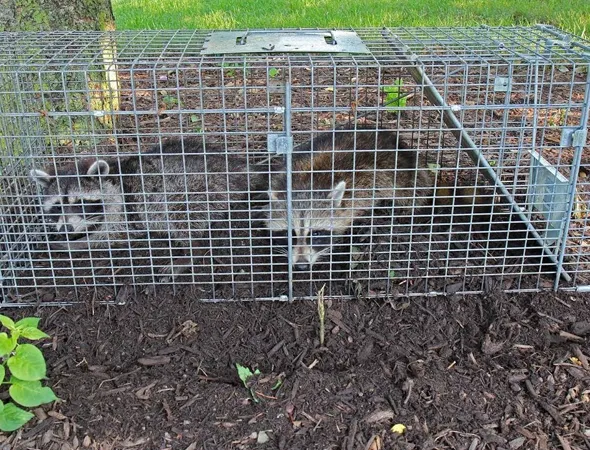
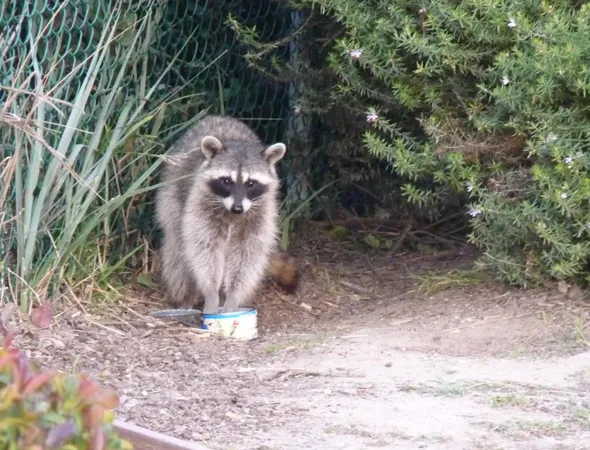
Crawlspaces provide quiet shelter beneath buildings. Raccoons may use them for resting or nesting. Damaged vents can make access easier. You may hear scratching beneath your floors. Unusual smells can also indicate wildlife activity. Disturbed insulation can provide another clue. Raccoons can disturb crawlspace insulation. They may also affect nearby ductwork.
Prolonged activity can leave nesting materials behind. We inspect accessible crawlspace areas carefully. We look for signs of raccoon activity. We also assess nearby structural openings. Crawlspace activity can remain hidden for months. Early assessment can reveal ongoing wildlife use. This can help limit prolonged property damage.
Spring can bring raccoon maternity activity. Female raccoons may establish protected dens. Attics and crawlspaces can provide suitable locations. Kits depend heavily on their mother. Removing the mother can leave young behind. This makes maternity situations different from standard removal.
We inspect suspected dens before taking action. We look for evidence of dependent kits. We also consider the mother’s access route. The den’s location can affect the situation. Building access can also influence available options. We consider these factors during assessment. Our focus remains responsible raccoon removal. We want to resolve the wildlife problem properly. We also avoid unnecessary separation of dependent young. Similar protected spaces can also attract animals requiring opossum removal.
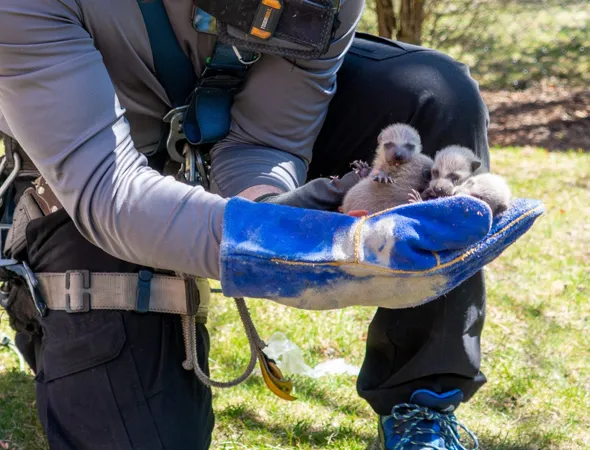
Raccoons can create loud nighttime activity. You may hear scratching or heavy footsteps. Movement above ceilings can become noticeable.
Disturbed insulation can indicate nesting activity. Droppings can also appear around nesting areas. Damage near roof openings provides another clue.
A professional inspection can confirm the activity. We inspect accessible areas for raccoon signs. We also check potential entry locations.
Attics provide warmth and protection from weather. They can also offer suitable nesting materials. Insulation can make an attic especially attractive.
Roof damage can create convenient entry points. Soffits and vents can also provide access. Raccoons can enlarge vulnerable openings themselves.
We inspect likely entry areas around your property. This helps identify how raccoons gained access.
Raccoons are wild animals and can become defensive. Direct contact should always be avoided. Raccoons are recognised as rabies vector species.
Keep children and pets away from raccoons. Do not corner or handle them yourself. Professional wildlife assistance is safer.
Female raccoons may have dependent kits during spring. Kits can remain inside hidden dens. The mother may leave temporarily for food.
Removing the mother without checking can strand the young. We inspect suspected maternity areas first. This helps determine the appropriate approach.
Spring is an important raccoon maternity period. Females may establish dens before giving birth. Kits remain dependent for some time.
Timing can vary between individual situations. We assess the property before recommending removal.
Raccoons can chew various materials around properties. Electrical wiring may become damaged during this activity. Damaged wiring can create a genuine fire risk.
Suspected wiring damage should receive prompt attention. A qualified electrician should handle electrical repairs.
Raccoons can disturb insulation while nesting. They may tear, compress, or move materials. Long-term activity can affect larger areas.
We assess accessible insulation after raccoon activity. This helps identify affected areas.
Raccoons can damage vulnerable roofing materials. They may tear weak areas while entering. Existing openings can become larger over time.
We inspect roofline areas for visible damage. This helps identify potential entry routes.
Yes, raccoons can use chimneys as shelter. They may establish dens inside suitable chimneys. Scratching can indicate possible activity.
Avoid reaching inside the chimney yourself. Professional assessment provides a safer approach.
Yes, crawlspaces can provide suitable shelter. They offer quiet spaces away from regular activity. Damaged vents can provide access.
Scratching beneath floors can indicate possible activity. A professional inspection can help confirm the situation.
Every raccoon situation is different. The number of animals can affect timing. Maternity situations can require additional consideration.
Building access can also affect the process. We inspect your property before recommending an approach.
Raccoons can return when access remains available. Existing openings can continue attracting wildlife. Prevention can therefore become important.
We assess vulnerable areas around your property. We can discuss suitable prevention options afterwards.
DIY raccoon removal can create unnecessary risks. Raccoons may become defensive when cornered. Maternity situations can create additional complications.
Avoid direct contact with wild raccoons. Professional assessment provides a safer alternative.
Keep a safe distance from the animal. Move children and pets away safely. Avoid cornering or handling the raccoon.
If possible, provide a safe exit route. Do not attempt physical removal yourself. Contact a professional wildlife service for assistance.
Raccoons inside your property can cause serious concerns. We can assess the activity and explain suitable options.
Nuisance Wildlife Pros LLC provides professional raccoon removal. We handle attic, chimney, and crawlspace situations. We also consider spring maternity concerns. If raccoons are affecting your property, contact us today. We can assess the situation and explain suitable options.
WhatsApp us