
Opossums can appear suddenly around Springfield properties. They often hide beneath decks, sheds, and porches. Their unusual appearance can also confuse. Nuisance Wildlife Pros LLC provides professional opossum removal. We identify the animal and assess its location. Then, we recommend a suitable removal approach.
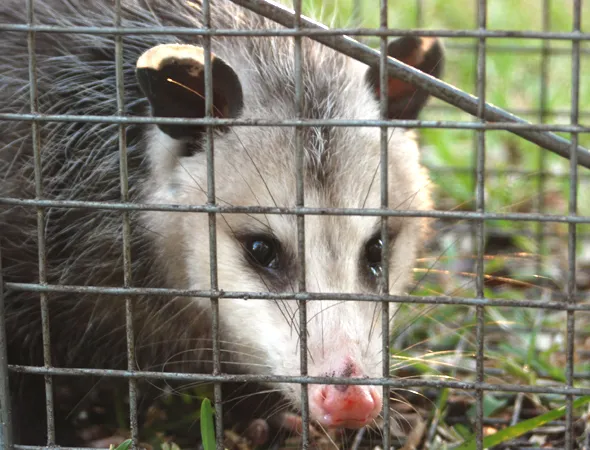
Opossums are frequently misidentified around homes. Their unusual appearance can create uncertainty. Homeowners may confuse them with raccoons or other animals. An adult opossum has a pointed face. It usually has greyish fur and a pale face. Its long, hairless tail is another distinctive feature.
Opossums are primarily nocturnal animals. They commonly become active after sunset. Their slow movements can also distinguish them. Correct identification matters before removal begins. Different wildlife species behave differently. Their sheltering and movement patterns can vary. We assess the animal and its surroundings carefully. This helps confirm what wildlife is present. It also helps prevent unnecessary intervention. For broader information about identifying wildlife activity, see our wildlife inspections services.
Mice and rats can enter through small openings. Older properties may contain multiple access routes. Their activity can affect wiring and insulation. Our rodent control service identifies signs and pathways. We emphasise exclusion alongside appropriate control measures.
Bats can seek sheltered spaces around buildings. Attics and exterior openings can provide roosting areas. Our bat removal service identifies activity and access points. We then recommend suitable steps for the property.
Beavers can affect properties near waterways. Their dams can alter natural water movement. This can create drainage and landscape concerns. Our beaver control service assesses active areas. We then recommend suitable wildlife management options.
Birds can establish nests around buildings. Vents and exterior openings can attract nesting activity. Their presence can create noise and nuisance concerns. Our bird removal service identifies affected areas. We then recommend suitable removal measures.
Moles can create extensive underground lawn activity. Their tunnels often leave raised ridges behind. Repeated tunnelling can affect lawn appearance. Our mole control service focuses on active tunnel areas. We assess the problem before recommending suitable control.
Opossums often seek quiet outdoor shelter. They may hide beneath decks and sheds. Crawlspaces can also attract them. Our opossum removal service identifies their sheltering areas. We then determine a suitable removal approach.
Raccoons can create significant property concerns. They may seek shelter in protected building spaces. Their strength can also cause property damage. Our raccoon removal service assesses activity first. We then address the specific raccoon situation.
Skunks generally stay close to ground-level shelter. They often use decks, sheds, and porches. Their spray can create unpleasant property conditions. Our skunk removal service focuses on locating active skunks. We also consider denning and spray concerns.
Squirrels can become persistent around residential properties. They commonly move through trees and roof areas. Some may enter sheltered building spaces. Our squirrel removal service identifies active areas. We then assess likely access routes.
Woodchucks are persistent burrowing animals. Their tunnels can affect lawns and landscaped areas. They may also burrow near structures. Our woodchuck removal service focuses on active burrows. We assess affected areas before recommending action.
Wildlife inspections help identify unknown animal activity. They are useful when homeowners see signs without certainty. We look for tracks, droppings, nesting, and damage. We also assess likely shelter locations. This helps identify the correct wildlife service.
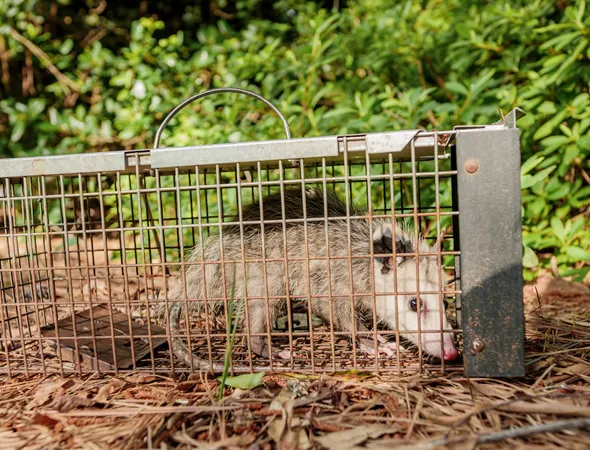
Opossums are usually less destructive than raccoons. However, unwanted wildlife can still create inconvenience. Professional removal helps resolve persistent activity.
Identify The Right Animal
Opossums are often mistaken for other wildlife. Correct identification helps prevent unsuitable removal methods.
Reclaim Outdoor Spaces
Opossums may shelter beneath outdoor structures. Removing unwanted activity helps restore these spaces.
Address Hidden Shelter
Opossums can remain hidden beneath structures. Inspection helps identify where they are staying.
Reduce Property Nuisance
Regular wildlife activity can disrupt your property. Professional removal helps address recurring concerns.
Choose A Practical Solution
Opossums generally create less damage than raccoons. We provide realistic recommendations based on your situation.
We inspect areas showing opossum activity. We identify shelter, movement signs, and access points. We also confirm the animal involved.
We assess the specific circumstances first. We then determine a suitable removal approach. Our process considers the animal's location and behavior.
We identify areas offering convenient shelter. We assess potential access points around structures. We then discuss suitable next steps.
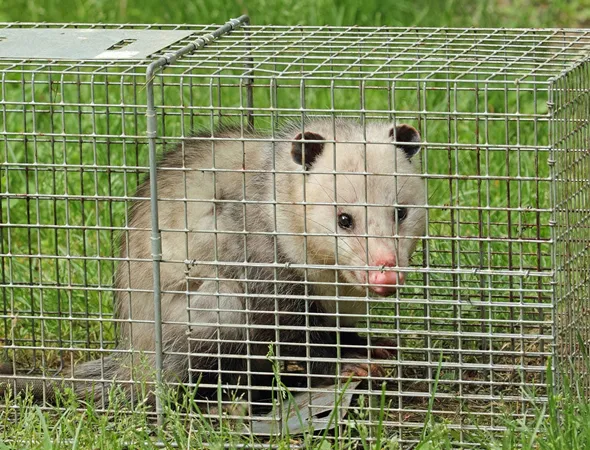
Opossums are frequently misidentified around homes. Their unusual appearance can create uncertainty. Homeowners may confuse them with raccoons or other animals. An adult opossum has a pointed face. It usually has greyish fur and a pale face. Its long, hairless tail is another distinctive feature.
Opossums are primarily nocturnal animals. They commonly become active after sunset. Their slow movements can also distinguish them. Correct identification matters before removal begins. Different wildlife species behave differently. Their sheltering and movement patterns can vary. We assess the animal and its surroundings carefully. This helps confirm what wildlife is present. It also helps prevent unnecessary intervention.
Opossums often choose protected outdoor spaces. Decks and sheds can provide convenient shelter. Crawlspaces can also offer quiet hiding areas. They may use these spaces temporarily. Others may return when conditions remain favorable. Food and shelter availability can influence their movements.
We inspect areas where opossums have been observed. We look for signs around potential shelter locations. We also assess how the animal enters. Understanding the shelter helps guide removal. It can reveal why the animal remains nearby. This provides a clearer basis for action.
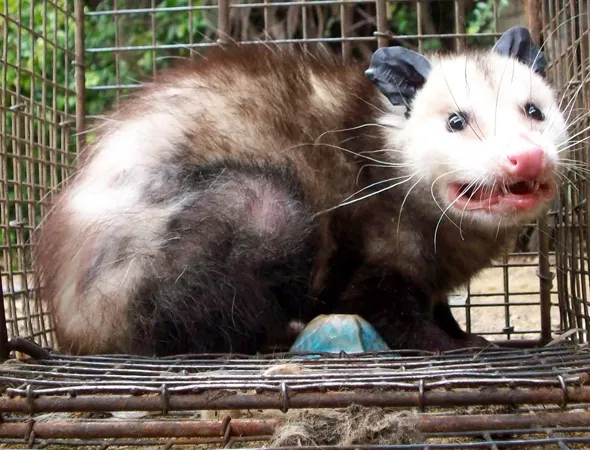
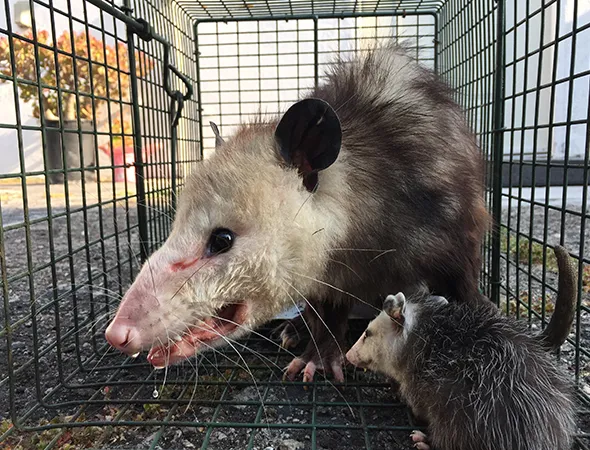
Opossums may move through yards after dark. They often search for insects and other food. Accessible outdoor food can attract continued visits. You may notice an opossum near rubbish bins. Pet food can also attract wildlife activity. Fallen fruit may create additional food opportunities. We assess where the animal is moving. We also consider nearby shelter and food sources. This helps explain recurring yard activity. Not every sighting requires aggressive intervention. Opossums can sometimes pass through without settling. We provide practical recommendations based on the situation.
Opossums can occasionally enter building spaces. Accessible openings can allow them inside. Crawlspaces and similar areas may provide shelter. Entry points can occur around foundations. Gaps beneath structures can also provide access. Damaged vents may create additional opportunities.
We inspect areas associated with the activity. We look for signs showing how the animal entered. We also consider where it may be sheltering. Identifying the access route helps guide removal. It can also reveal opportunities for future prevention. This keeps the response focused on the actual problem. Homeowners dealing with similar entry issues may also need raccoon removal when raccoons are found in building spaces.
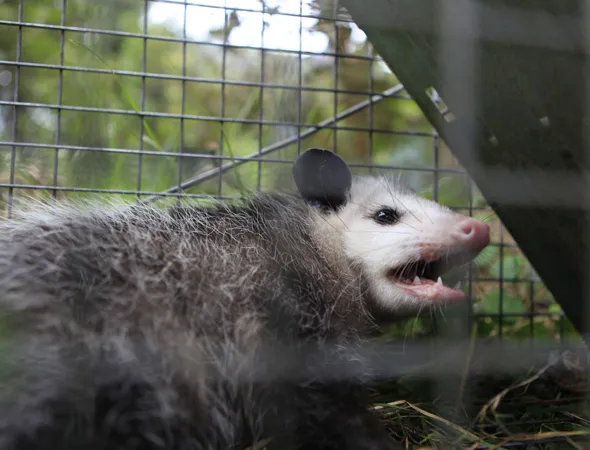
Opossums have several distinctive physical features. They usually have greyish fur and pale faces. Their faces are pointed and narrow.
Their tails are long and mostly hairless. Their ears are also relatively small and rounded. These features can help distinguish them.
Opossums generally avoid confrontation with people. They are typically quiet and non-aggressive animals. They may still defend themselves when threatened.
Direct wildlife contact should always be avoided. Children and pets should remain away from wild animals.
Opossums are generally less destructive than raccoons. They typically do not cause extensive structural damage. However, they can still create nuisance problems.
They may disturb sheltered areas around properties. They can also leave droppings and other signs.
Opossums often search for accessible food. Insects, fallen fruit, and rubbish can attract them. Pet food may also encourage wildlife visits.
Shelter can influence their movements as well. Decks, sheds, and similar spaces can provide protection.
Opossums often choose quiet ground-level shelter. They may hide beneath decks and sheds. Crawlspaces can also provide suitable protection.
They can occasionally enter other building spaces. Accessible openings may allow them inside.
Opossums can occasionally enter attics. However, this is less typical than ground-level shelter. Their climbing ability is also limited compared with raccoons.
Accessible roof openings can still create opportunities. An inspection can help determine how they entered.
Opossums are mainly nocturnal animals. However, daylight sightings can still occur. A single daytime sighting does not automatically indicate illness.
Behaviour and surrounding conditions provide useful context. Professional assessment can help when behaviour seems unusual.
Yes, decks can provide suitable shelter. The space offers protection from weather and disturbance. Opossums may use it for resting.
Repeated sightings can indicate regular use. An inspection can help determine whether sheltering is occurring.
Yes, sheds can provide quiet shelter. Gaps beneath the structure may offer easy access. Opossums may use these spaces temporarily.
We can assess the area for activity signs. This helps determine whether removal is necessary.
Opossums can carry rabies, although reported rates are relatively low. They should still be treated as wild animals. Direct contact should always be avoided.
Keep children and pets away from wild opossums. Seek medical advice after potential exposure.
Opossums generally avoid confrontation. However, any wild animal may defend itself when threatened. Pets should therefore remain separated from wildlife.
Keep dogs and cats away from active opossums. Professional removal can address persistent activity.
Handling wild animals can create unnecessary risks. An animal may react defensively when cornered. Identification can also be difficult.
Professional inspection provides a clearer assessment. We can determine the situation before recommending removal.
Start by reducing attractive food sources. Secure rubbish and avoid leaving pet food outside. Fallen fruit should also be removed where practical.
Sheltered spaces can also attract wildlife. An inspection can identify areas requiring attention.
The timeline depends on the situation. The animal’s location can affect the process. Shelter conditions can also influence removal.
We inspect the property before recommending an approach. This helps determine the appropriate next steps.
Keep a safe distance from the animal. Bring pets and children indoors if possible. Avoid attempting to catch or corner it.
If the animal remains around your property, contact us. We can assess the activity and recommend suitable action.
An unexpected opossum can leave you uncertain. We can identify the animal and assess its activity.
Nuisance Wildlife Pros LLC provides professional opossum removal services. We handle activity around decks, sheds, and crawlspaces. We also help identify often-misidentified wildlife. If an opossum is causing problems around your property, contact us. We can assess the situation and explain your options.
WhatsApp us