
Moles can quickly change the appearance of your lawn. Their tunnels create ridges across otherwise healthy grass. Professional mole control can restore a cleaner landscape. Nuisance Wildlife Pros LLC focuses on lawn-based mole problems. We identify active tunnelling before recommending control. Our approach targets the source of the disturbance.
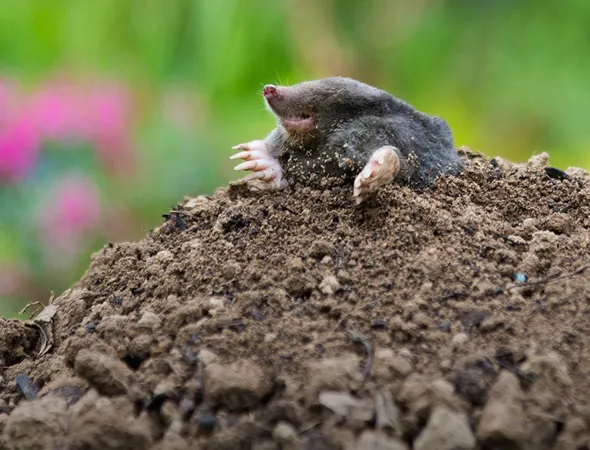
Mole control addresses unwanted tunneling beneath lawns. Moles spend most of their time underground. Their movement creates tunnels and raised surface ridges. Unlike many wildlife problems, moles rarely enter buildings. Their main impact involves lawns and landscaped areas. This makes mole control different from structural wildlife removal.
Moles are also commonly confused with voles. Voles primarily damage plants and vegetation and are addressed through rodent control. Moles are specialized underground insectivores that create tunnels. Grubs and other soil organisms can influence mole activity. Food availability may therefore affect where moles tunnel. Identifying active areas helps us understand the problem.
Mice and rats can exploit small openings around properties. Older homes may contain multiple hidden travel routes. Our rodent control service identifies activity and access points. We emphasise exclusion alongside appropriate control measures.
Bats commonly seek sheltered spaces around buildings. Attics and exterior openings can provide suitable roosting areas. Our bat removal service identifies activity and access points. We then recommend appropriate removal steps.
Beavers can affect properties near waterways. Their dams can alter drainage and water movement. Our beaver control service assesses active areas. We then recommend suitable wildlife management options.
Birds can establish nests around exterior structures. Vents and rooflines can attract nesting activity. Our bird removal service identifies affected areas. We then recommend suitable removal measures.
Moles create underground activity across lawns. Their tunnelling can leave raised surface ridges. We identify active tunnel areas and feeding conditions. Our mole control service focuses specifically on lawn-based mole activity.
Opossums often seek quiet outdoor shelter. They may hide beneath decks and sheds. Our opossum removal service identifies their sheltering areas. We then recommend practical removal options.
Raccoons can enter protected spaces around properties. Their activity may cause noise and property damage. Our raccoon removal service begins with an assessment. We then address the specific wildlife situation.
Skunks usually remain around ground-level shelter. They may use decks, sheds, and porches. Our skunk removal service identifies active skunk locations. We also consider denning and spray concerns.
Squirrels frequently move through trees and rooflines. They may also enter protected building spaces. Our squirrel removal service identifies active areas. We then assess likely access routes and activity patterns.
Woodchucks are powerful and persistent burrowers. Their tunnels can affect lawns and nearby structures. Gardens can also experience feeding damage. Our woodchuck removal service focuses on active burrows. We assess surrounding property conditions before removal.
Wildlife inspections help identify unexplained animal activity. We look for tracks, damage, droppings, and shelter. Our inspections help determine which species is involved. This creates a clearer direction for control.
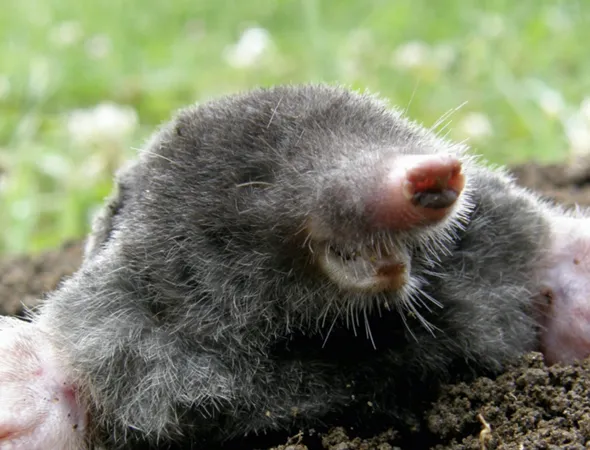
Mole activity can make a well-maintained lawn look neglected. The visible damage often appears through tunnels and ridges. Professional control addresses the underlying wildlife problem.
Restore Lawn Appearance
Raised ridges can make lawns look uneven. Mole control helps address the activity creating them.
Identify Active Tunnels
Not every visible tunnel remains active. We assess current signs before recommending control.
Reduce Surface Damage
Repeated tunnelling can create new ridges across lawns. Addressing active moles can reduce continued disturbance.
Distinguish Moles From Voles
Moles and voles create different types of damage. Correct identification helps avoid unsuitable control methods.
Address Food-Driven Activity
Moles follow underground food sources. Understanding feeding conditions helps explain their activity.
We inspect visible ridges and tunnel networks. We look for signs of current activity. We also assess the surrounding lawn.
We determine whether moles are responsible. We distinguish their signs from vole damage. This helps ensure the correct control approach.
We develop an approach based on the property's conditions. We focus on active mole areas. This keeps the service targeted and practical.
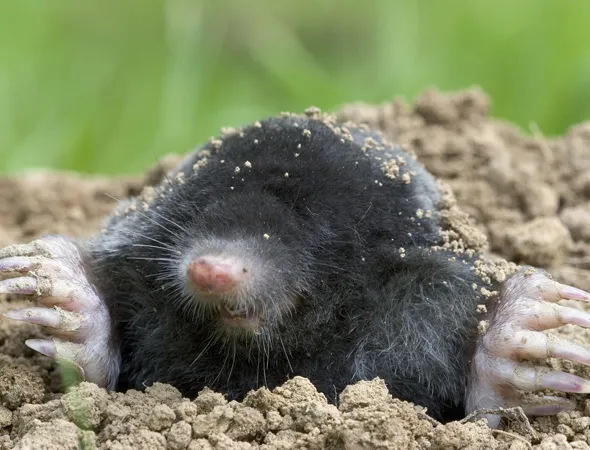
Mole tunnels can remain visible after activity ends. This makes every surface ridge an unreliable indicator. We therefore focus on identifying current activity. Active tunnels may show fresher soil movement. New ridges can also appear across previously unaffected areas. These signs can help identify current movement.
We inspect affected lawn sections carefully. We consider tunnel patterns and surface disturbance. We also assess where activity appears most concentrated. This information helps us understand the mole’s movement. It also prevents unnecessary attention to inactive areas. Our assessment remains focused on the current lawn problem.
Moles and voles are commonly confused by homeowners. However, they create very different types of damage. Knowing the difference helps determine the appropriate service. Moles are adapted for underground movement. Their activity commonly creates raised tunnels and surface ridges. Voles spend more time around vegetation and plant roots.
Vole damage may appear around plants and garden areas. Mole damage tends to appear across lawn surfaces. These differences can provide useful identification clues. We assess the damage before recommending control. This helps determine which animal is responsible. Correct identification prevents an unsuitable treatment approach.
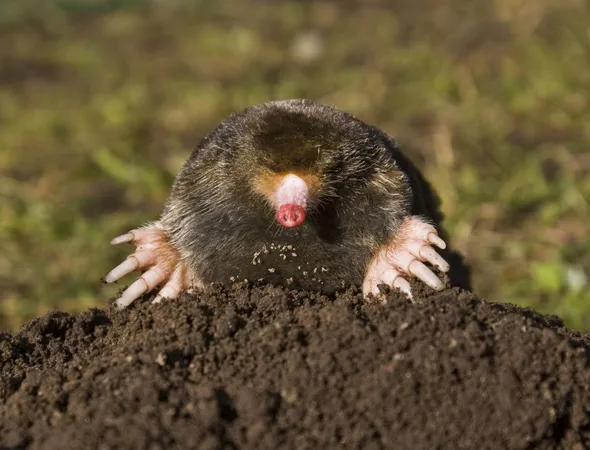
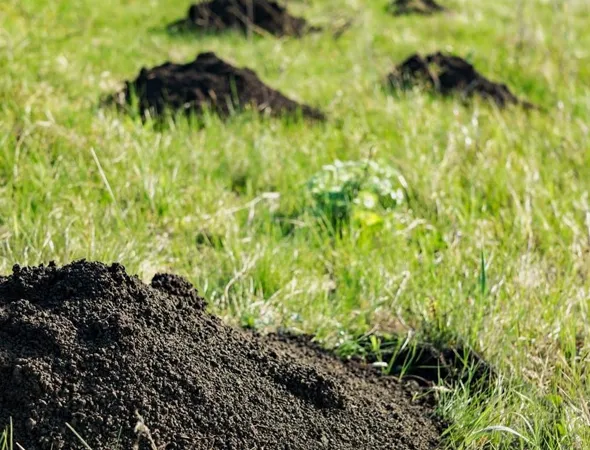
Surface ridges are among the most visible signs of moles. They can spread across lawns in irregular patterns. Their appearance can become frustrating for homeowners.
The ridges result from underground tunnelling activity. Moles push soil upward while creating shallow tunnels. Continued movement can create additional surface disturbance.
We assess where ridges are appearing. We also look for signs of current tunnelling. This helps connect visible lawn damage with active moles.
Our focus remains on the cause rather than appearance alone. Addressing active mole activity is the priority. Lawn restoration can then be considered separately.
Moles primarily feed on underground invertebrates. Grubs and other soil organisms can influence their movements. Areas with abundant food may therefore attract activity. You may notice increased tunneling in particular lawn sections. Soil conditions can also influence where moles move. Identifying these patterns helps explain the activity.
We assess the lawn alongside visible mole signs. We consider where tunneling is most concentrated. We also look at surrounding landscape conditions. Understanding food-driven movement adds useful context. It helps explain why certain areas attract moles. Similar woodchuck burrows can also affect lawns and landscaped areas, so identifying the type of wildlife activity is important. This information supports a more targeted control approach.
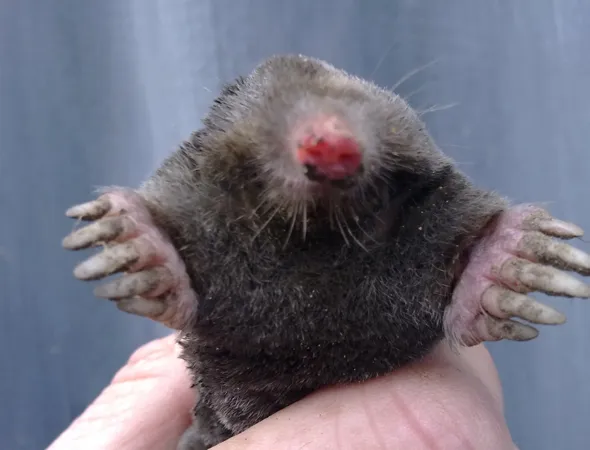
Mole tunnels commonly appear as raised ridges. These ridges can cross lawn surfaces irregularly. Some tunnels may remain visible after activity stops.
Fresh surface disturbance can indicate recent activity. An inspection can help identify active areas.
Moles generally do not enter buildings. Their activity mainly occurs underground. Their primary impact involves lawns and landscaped areas.
This makes mole problems different from structural wildlife issues. Their damage is usually concentrated outdoors.
Moles are underground insectivores that create tunnels. Voles are small rodents associated with vegetation. Their damage therefore appears differently.
Mole activity often creates raised lawn ridges. Voles may damage plants, roots, and vegetation.
Moles tunnel primarily while searching for food. Grubs and other soil organisms can influence their movements. Soil conditions can also affect activity.
Areas with suitable food may attract more tunnelling. We assess these patterns during inspection.
Moles do not primarily feed on grass. They mainly consume underground invertebrates. Their tunnelling can nevertheless damage grass roots and surfaces.
The visible lawn damage comes from their movement. It does not mean they are eating the lawn.
Raised ridges commonly result from mole tunnelling. Moles push through soil beneath the surface. This creates visible raised pathways.
New ridges can indicate ongoing activity. However, old ridges may remain after activity ends.
Moles can disturb soil around garden areas. Their tunnels may affect plant roots indirectly. Their presence can also create uneven soil.
Garden damage should be assessed carefully. Voles and other animals can create different plant damage.
Fresh soil movement can indicate activity. New ridges can also provide useful clues. Changes across the lawn may suggest ongoing tunnelling.
We assess multiple signs rather than one feature. This helps identify active areas more accurately.
Yes, moles spend most of their lives underground. Their bodies are adapted for digging and tunnelling. They create networks beneath soil surfaces.
This behaviour makes their damage different from many wildlife problems. Their main visible impact appears above ground.
Food availability can influence mole movements. Grubs and other invertebrates may attract them. Soil conditions can also affect tunnelling.
We look for patterns across affected lawn areas. This helps explain concentrated activity.
DIY control can be difficult without identifying active tunnels. Visible ridges do not always indicate current activity. Incorrect identification can also lead to unsuitable control.
Professional assessment provides clearer information. It helps determine whether moles are responsible.
Removing active moles addresses the source of new tunnelling. Existing lawn ridges may still require separate restoration. Grass and soil conditions influence recovery.
Lawn repair should therefore be considered separately. Control focuses on stopping continued wildlife activity.
Suitable food and soil conditions can encourage continued activity. New moles may also move into suitable areas. This makes surrounding conditions important.
Addressing active activity is the first step. Property-specific assessment can help identify recurring concerns.
Consider professional control when tunnelling continues. Repeated ridges can indicate ongoing activity. Extensive lawn disturbance may also warrant assessment.
Early identification can help clarify the problem. It also helps distinguish moles from voles.
The timeline depends on activity levels and property conditions. The number of affected lawn areas can also matter. We inspect the situation before recommending control.
This helps determine the appropriate approach. It also avoids assuming every lawn requires the same service.
Mole tunnels can quickly affect your lawn’s appearance. We can assess the damage and identify active activity.
Nuisance Wildlife Pros LLC provides professional mole control services. We focus on lawn tunnelling and surface ridge problems. We also distinguish moles from commonly confused voles. If mole activity is affecting your lawn, contact us today. We can inspect the damage and explain your options.
WhatsApp us