Birds can turn small openings into regular nesting sites. Vents, soffits, and chimneys are common problem areas. Commercial properties can face similar issues around signage. Nuisance Wildlife Pros LLC provides professional bird removal services. We identify nesting and roosting areas before removal. We also consider exclusion options for future protection.
Bird removal addresses unwanted bird nesting and roosting. Birds can settle around residential and commercial properties. Vents, chimneys, soffits, and signage can attract them. Vent nesting can create practical safety concerns. Dryer vents need proper airflow for safe operation. Nesting material can restrict airflow and increase fire risk. Birds can also enter bathroom and exterior vents. Their nesting materials can block ventilation pathways. This can create maintenance concerns for property owners.
Commercial buildings may face broader bird problems. Loading docks, rooflines, and signs can attract roosting birds. Repeated activity can affect cleanliness and property presentation. Bird species must also be identified before removal. Many bird species receive federal protection. Nesting timing and removal restrictions may therefore apply. Our team assesses the species and nesting location first. We then determine suitable steps for the situation. Exclusion can include netting, spikes, or vent guards. Similar roofline and vent openings can also provide access for bats, making proper exclusion important.
Mice and rats can exploit small property openings. Older homes may contain multiple hidden travel routes. Our rodent control service identifies activity and entry points. We emphasise exclusion alongside appropriate control.
Bats can roost around protected building areas. Attics and exterior openings can provide suitable shelter. Our bat removal service identifies active roosting areas. We then assess potential access points.
Beavers can affect properties near waterways. Their dams can alter drainage and water movement. Our beaver control service assesses active areas. We then recommend suitable management options.
Birds can establish nests around buildings. Vents, chimneys, soffits, and signage can attract activity. Our bird removal service identifies affected locations. We also assess suitable exclusion options.
Moles create underground activity across lawns. Their tunnelling can leave raised surface ridges. Our mole control service identifies active tunnel areas. We then recommend suitable control measures.
Opossums often seek quiet outdoor shelter. They may hide beneath decks and sheds. Our opossum removal service identifies sheltering areas. We then recommend practical removal options.
Raccoons can enter protected spaces around buildings. Their activity may cause noise and property damage. Our raccoon removal service begins with careful assessment. We then address the specific raccoon activity.
Skunks usually remain around ground-level shelter. They may use decks, sheds, and porches. Our skunk removal service focuses on active locations. We also consider denning and spray concerns.
Squirrels often move around trees and rooflines. They may also enter sheltered building spaces. Our squirrel removal service identifies activity and access routes. We then recommend appropriate removal steps.
Woodchucks are powerful and persistent burrowers. Their tunnels can affect lawns and structures. Gardens can also experience feeding damage. Our woodchuck removal service focuses on active burrows.
Wildlife inspections help identify unexplained animal activity. We look for nests, droppings, feathers, and damage. We also assess likely entry and roosting locations. This helps identify the appropriate wildlife service.
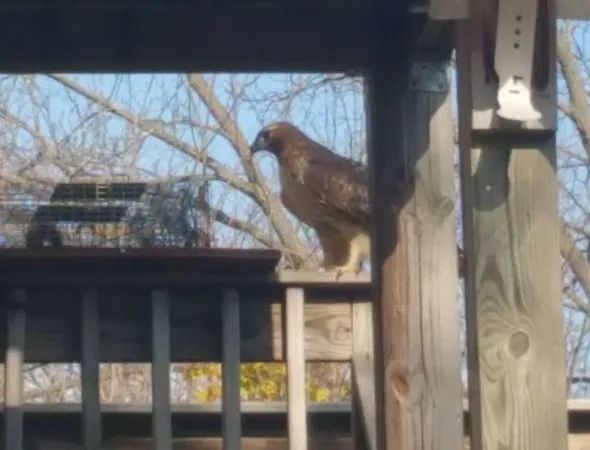
Bird activity can create more than simple noise. Nesting can affect ventilation and commercial spaces. Professional removal helps address the source of activity.
Protect Ventilation
Bird nests can obstruct exterior vents. Blocked airflow can create safety and maintenance concerns.
Protect Dryer Vents
Dryer vent nesting can restrict airflow. This can increase fire and operating concerns.
Keep Commercial Areas Cleaner
Birds can repeatedly roost around businesses. Removing active roosting can improve affected areas.
Protect Building Openings
Birds can exploit small exterior openings. Suitable exclusion can help prevent repeated access.
Follow Wildlife Regulations
Protected bird species require careful handling. Species and nesting timing can affect removal options.
We inspect areas showing bird activity. We identify nests, roosts, and entry points. We also consider the species involved.
We determine whether removal is appropriate. We consider nesting timing and applicable protections. Then, we recommend suitable next steps.
We identify vulnerable building openings. Suitable options may include netting and vent guards. Spikes may also suit certain roosting areas.
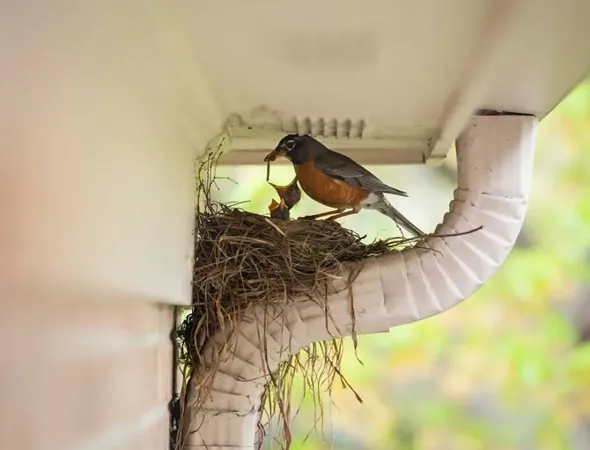
Birds can enter surprisingly small ventilation openings. Dryer vents can provide sheltered nesting locations. Bathroom vents can attract similar activity. Nesting materials can restrict normal airflow. Dryer vent obstruction can create particular safety concerns. Regular inspection can help identify developing problems.
We assess the affected vent and surrounding area. We look for nesting material and access points. We also consider whether birds remain active. Species identification is important before removal. Some birds receive federal protection. Nesting timing can also affect what action is permitted. Our service focuses on the specific vent problem. We assess suitable removal and exclusion options. This helps protect the vent from repeated nesting.
Commercial properties can attract large numbers of birds. Rooflines and signage can provide convenient roosting areas. Loading docks can also create sheltered spaces. Repeated bird activity can affect business premises. Droppings can create cleaning and maintenance concerns. Roosting can also affect customer-facing areas.
We assess the specific commercial environment. We look at signs, rooflines, loading areas, and other locations. This helps identify where birds are concentrating. Different properties require different exclusion strategies. Netting can protect larger open areas. Spikes may suit certain ledges and roosting surfaces. Our goal is to address the active bird problem. We also identify practical prevention opportunities. This can help reduce repeated commercial bird activity.
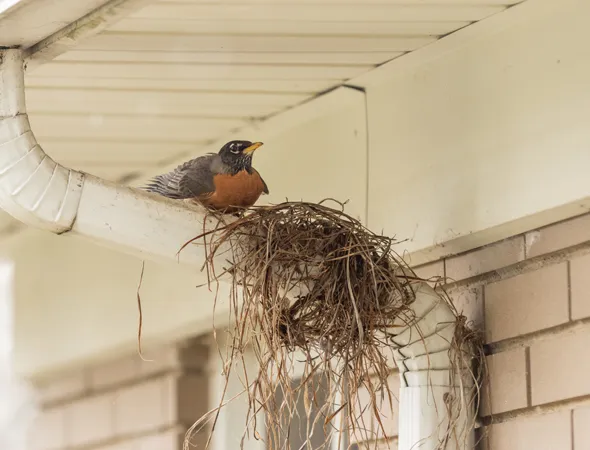
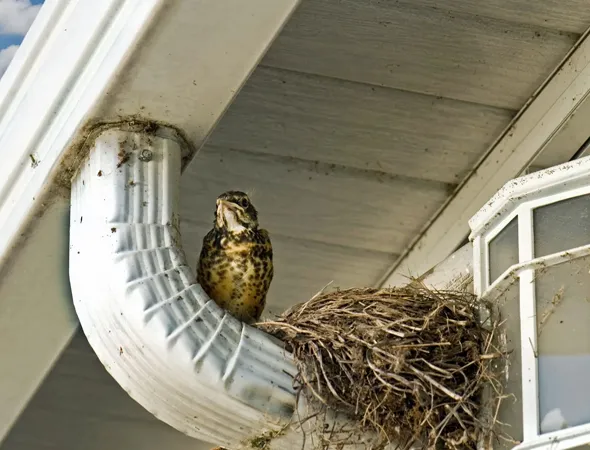
Chimneys can provide sheltered spaces for birds. Some species may build nests inside chimney openings. Their presence can affect normal chimney use. Nesting material can accumulate inside the flue. This may create maintenance and ventilation concerns. Birds may also repeatedly return to suitable locations. We inspect the chimney area for bird activity.
We assess visible nesting signs and access points. We also consider whether the nest remains active. Bird protection laws can affect removal timing. Species identification therefore remains important. We consider these factors before recommending action. After removal, suitable chimney protection may help. Proper guards can reduce future access. The correct option depends on the chimney structure.
Soffits can provide sheltered nesting spaces. Birds may enter through damaged or open sections. Once established, they may return repeatedly. Nesting material can accumulate within enclosed spaces. This can create maintenance problems around the soffit. Bird activity may also produce noticeable sounds.
We inspect soffit areas showing signs of activity. We look for openings and nesting evidence. We also assess nearby roofline conditions. The goal is not simply removing visible birds. We also identify how they accessed the space. This helps determine suitable exclusion options. Repairs should suit the building’s construction. Netting or guards may work in certain locations. We recommend options based on the specific access point. Rooflines, soffits, and other elevated openings can also be vulnerable to raccoon entry, so addressing access points can help reduce recurring wildlife activity.
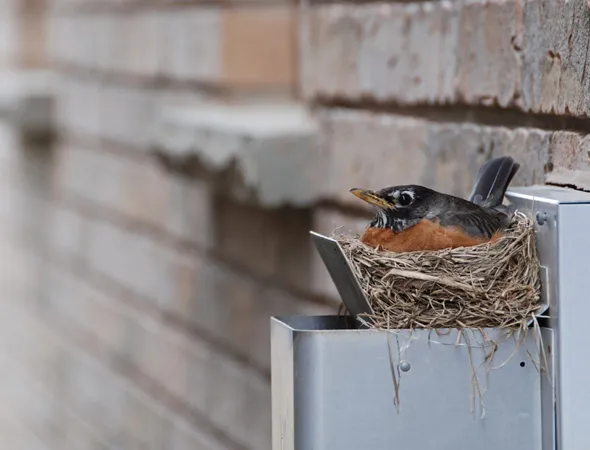
Different bird species can use building structures. Vents, soffits, chimneys, and rooflines can attract nesting. Commercial signs can also become roosting areas.
The species involved should be identified first. This helps determine appropriate removal options.
Yes, birds can enter and nest inside dryer vents. Nesting material can restrict normal airflow. This can create safety and maintenance concerns.
Regular inspection can help identify nesting early. Damaged or exposed vents may need additional protection.
Nesting material can restrict dryer ventilation. Poor airflow can affect dryer performance. Accumulated lint and nesting material can also create fire concerns.
A blocked dryer vent should receive prompt attention. Professional assessment can help determine the appropriate response.
Yes, exterior bathroom vents can provide sheltered nesting spaces. Birds may enter through damaged or uncovered openings. Nesting can restrict normal ventilation.
We can inspect affected vents for activity. Suitable vent protection can help prevent future access.
Yes, some birds may use chimney openings. Chimneys can provide sheltered nesting environments. Nesting material may accumulate inside the flue.
Bird species and nesting timing matter. Removal should account for applicable wildlife protections.
No, many bird species receive legal protection. Federal regulations can restrict handling or nest removal. Timing can also affect what actions are permitted.
Species identification should therefore come first. Professional assessment can help determine suitable next steps.
Not always. Nesting status and species can affect removal options. Some active nests may require waiting.
We assess the situation before recommending action. This helps account for applicable wildlife protections.
Suitable vent guards can help prevent bird entry. The correct guard depends on the vent type. Existing nesting activity should be assessed first.
We can inspect the opening and surrounding area. We then discuss suitable exclusion options.
Bird exclusion focuses on preventing future access. Methods can include netting, spikes, and vent guards. The appropriate option depends on the location.
Exclusion works best when access points are identified. We assess the property before recommending a method.
Yes, commercial properties can experience persistent bird activity. Signs, rooflines, and loading docks can attract roosting birds. Droppings can also affect customer-facing areas.
We assess commercial locations for concentrated activity. Suitable exclusion can help reduce recurring roosting.
Signs can provide elevated and sheltered surfaces. Birds may use them for resting and roosting. Nearby rooflines can provide additional access.
Regular roosting can create visible droppings below. Site-specific exclusion may help address these areas.
You may hear movement inside enclosed spaces. Feathers and nesting material can also appear nearby. Birds entering through small gaps provide another clue.
We inspect the soffit and surrounding roofline. This helps identify whether active nesting is occurring.
Nesting activity can obstruct ventilation openings. Birds may also disturb surrounding vent components. Long-term activity can create maintenance concerns.
Inspection can identify damage and nesting material. Suitable protection may help prevent repeated entry.
Bird nest removal can involve legal restrictions. Species and nesting status can affect what is permitted. Disturbing an active protected nest can create problems.
Professional assessment provides a safer starting point. We can identify the species and nesting situation.
The timeline depends on the species and location. Active nesting can affect the available options. Commercial sites may also require broader assessment.
We inspect the situation before recommending action. This helps establish the appropriate next steps.
Bird nesting can create avoidable property problems. We can inspect the activity and explain your options.
Nuisance Wildlife Pros LLC provides professional bird removal services. We handle nesting, roosting, and building entry concerns. Our approach considers species protection requirements. If birds are nesting around your property, contact us today. We can assess the activity and explain suitable options.
WhatsApp us