
Beavers can transform waterways within surprisingly short periods. Their dams can redirect water across your property. Flooding can then affect roads, fields, and drainage systems. Nuisance Wildlife Pros LLC provides professional beaver control services. We inspect the entire affected area before recommending solutions. Our focus extends beyond simple beaver removal.
Beaver control manages problems caused by active beaver activity. Beavers build dams across streams and waterways. These structures can raise water levels and change drainage patterns. Flooding may affect farms, roads, culverts, and surrounding properties. Beavers can also damage trees along waterways. Long-term management can therefore be more effective.
Some situations may require permitting or local approval. Massachusetts regulations can involve several authorities. We consider these requirements during the management process and can assess the property through wildlife inspections.
Mice and rats can enter through small openings. Older properties may contain hidden travel routes. Our rodent control service identifies activity and entry points. We emphasise exclusion alongside suitable control measures.
Bats can occupy sheltered spaces around buildings. Attics and exterior openings can provide suitable roosting areas. Our bat removal service identifies activity and access points. We then recommend appropriate removal measures.
Beavers can alter waterways through dam construction. Their activity can cause flooding and drainage problems. Our beaver control service assesses the complete site. We then develop suitable management options.
Birds can establish nests around buildings. Vents, chimneys, and rooflines can attract activity. Our bird removal service identifies affected areas. We also assess appropriate exclusion options.
Moles create underground tunnels across lawns. Their movement can produce raised surface ridges. Our mole control service identifies active tunnelling. We then recommend suitable control measures.
Opossums often seek quiet sheltered areas. They may stay beneath decks and sheds. Our opossum removal service identifies shelter locations. We then recommend practical removal options.
Raccoons can enter protected areas around properties. Their activity may cause noise and property damage. Our raccoon removal service begins with careful inspection. We then address the specific wildlife problem.
Skunks usually remain around ground-level shelter. They may use decks, sheds, and porches. Our skunk removal service identifies active locations. We also consider denning and spray concerns.
Squirrels commonly move through trees and rooflines. They may also enter protected building spaces. Our squirrel removal service identifies activity and access routes. We then recommend practical removal options.
Woodchucks create extensive underground burrow systems. Their activity can affect lawns and structures. Gardens can also experience feeding damage. Our woodchuck removal service focuses on active burrows.
Wildlife inspections help identify unexplained animal activity. We assess signs, damage, and surrounding habitat. This helps identify the species involved. It also supports appropriate control planning.
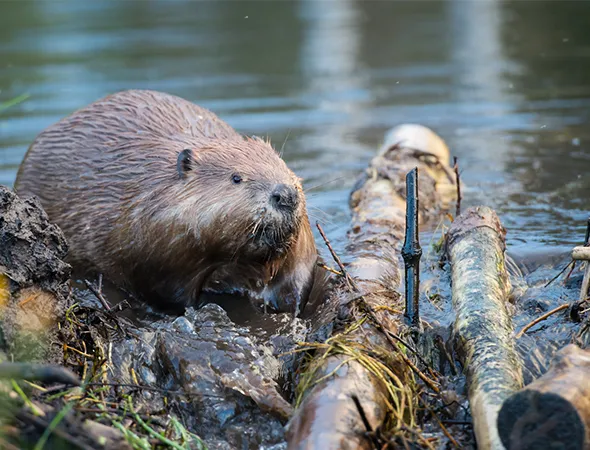
Beaver problems can affect entire areas, not just one property. Their dams can change water movement significantly. Professional management helps address these wider concerns.
Reduce Flooding
Beaver dams can raise upstream water levels. Management can help address affected drainage areas.
Protect Culverts
Blocked culverts can restrict normal water flow. Beaver control can help address recurring blockages.
Protect Trees
Beavers can damage trees near waterways. Protective measures can reduce repeated vegetation damage.
Protect Agricultural Land
Flooding can affect fields and farm access. Targeted management can help reduce these impacts.
Support Long-Term Management
Repeated dam removal may not solve recurring activity. Flow devices can provide another management option.
We inspect dams, waterways, culverts, and affected property. We identify signs of active beaver activity. We also assess the wider impact.
We develop a site-specific management approach. We consider flooding, access, and surrounding conditions. Regulatory requirements are also considered.
We implement the agreed management strategy. Ongoing monitoring may identify recurring activity. This supports longer-term wildlife management.
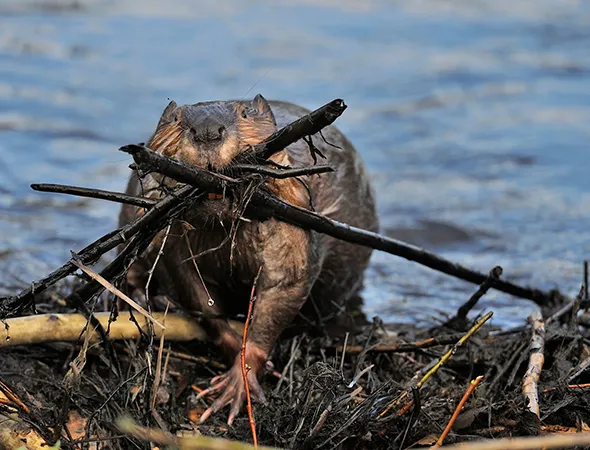
Beaver dams can affect water movement far beyond their location. Rising water may reach roads, fields, and properties. Culverts can also become overwhelmed by changing water levels. We inspect the dam and surrounding waterway carefully. We assess visible signs of active beaver activity.
We also consider water movement around the affected area. The visible dam may not represent the complete problem. Additional structures can exist upstream or downstream. Identifying these areas helps create a clearer picture. We assess the wider property before recommending action. This helps identify the source of flooding. It also supports a more practical management strategy.
Flooding remains one of the biggest beaver concerns. Water can spread into fields, roads, and low-lying areas. Drainage systems can also become less effective. We assess where water is accumulating. We identify how beaver activity affects normal flow. We also inspect nearby drainage routes.
Farms can face particular challenges from repeated flooding. Waterlogged fields can interfere with normal agricultural activity. Access roads may also become difficult to use. Our approach focuses on the actual cause of flooding. We assess the dam and surrounding water movement. Then, we recommend suitable management options.
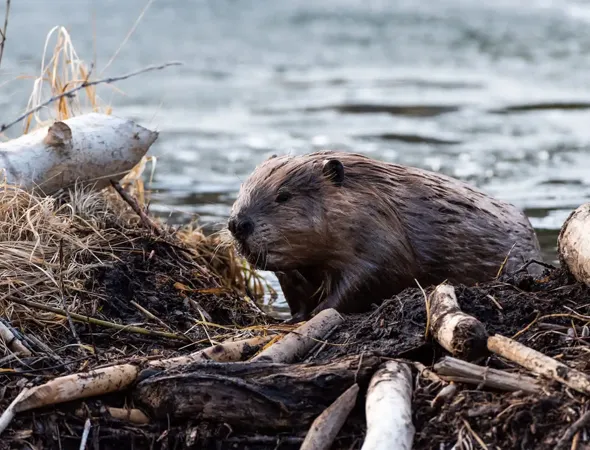
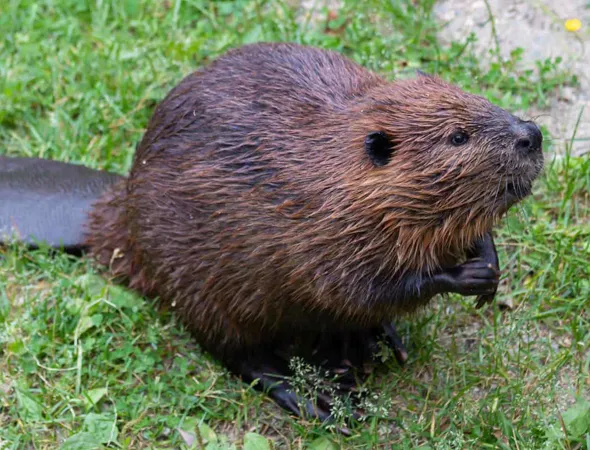
Culverts provide important routes for moving water. Beavers can block these openings with natural materials. Blockages may then contribute to rising upstream water. We inspect culverts showing repeated signs of obstruction. We assess nearby dams and active beaver movement. This helps determine the wider source of the blockage.
Simply clearing debris may not prevent recurrence. Beavers can rebuild when conditions remain favorable. Long-term management may therefore require additional measures. We assess the location before recommending solutions. Suitable protection depends on water flow and site conditions. Our goal is reducing recurring culvert problems.
Beavers rely on vegetation around waterways. Trees and shrubs can become important food sources. Repeated feeding can leave significant damage. Tree damage may include stripped bark and cut trunks. Smaller trees can be especially vulnerable. Valuable landscaping may also require additional protection.
We inspect affected trees and surrounding vegetation. We identify signs of active beaver feeding. We also consider proximity to water. Protective barriers can help defend individual trees. Larger areas may require broader exclusion methods. We assess the property before recommending suitable protection, especially when other wildlife may be using the same area. Wildlife inspections can help identify activity around the property.
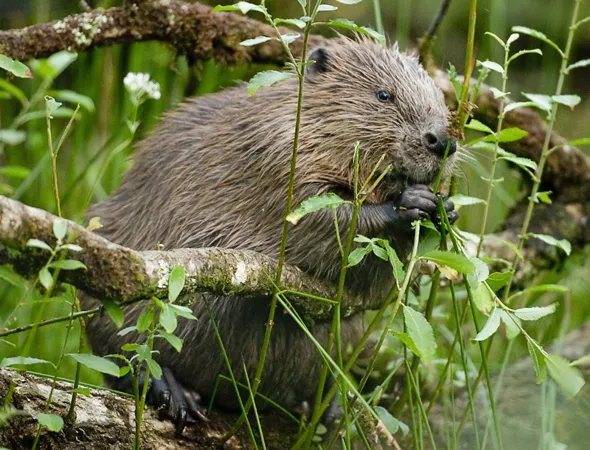
Yes, beaver dams can raise upstream water levels. This can affect roads, fields, yards, and drainage areas. Culverts may also become blocked by beaver activity.
Yes, beavers commonly feed on trees and shrubs. They can strip bark and cut smaller trees. Repeated activity can significantly affect vegetation near waterways.
Yes, culverts can become blocked by beaver materials. Sticks, mud, and vegetation can restrict water movement. This can contribute to upstream flooding.
Beavers build dams to create deeper water habitats. Deeper water can provide protection and easier movement. Dams also support access to their surrounding habitat.
Not necessarily. Beavers can rebuild dams after removal. Repeated dam removal may therefore provide only temporary results.
A flow device controls water passing through a beaver-affected area. It can help maintain a controlled water level. Suitability depends on the property’s conditions.
They can help manage water levels in suitable situations. However, results depend on the site. Waterway design and maintenance requirements also matter.
Farms can experience significant impacts from beaver flooding. Fields, crops, drainage, and access roads may be affected. Management can help address these property concerns.
Yes, protective measures can reduce tree damage. Individual trees may receive protective barriers. Larger areas may require broader exclusion methods.
Some beaver management activities can require approval. Requirements depend on the proposed work and location. Wetland regulations may also apply.
Different authorities can become involved depending on the situation. Local Boards of Health may address certain public health concerns. Conservation Commissions can also have relevant authority.
Wildlife relocation is subject to Massachusetts regulations. Moving wildlife without proper authorisation can create legal problems. Management should follow applicable state requirements.
They can return when suitable habitat remains available. New beavers may also establish activity in the same area. Long-term management can help address recurring problems.
The timeline depends on the site’s conditions. Dam size, flooding, and activity levels can affect the process. Larger properties may require broader assessment.
Beaver activity can quickly become a property problem. We can inspect the affected area and explain your options.
Nuisance Wildlife Pros LLC provides professional beaver control services. We address dams, flooding, culverts, and tree damage. We also consider long-term management options. Beaver problems require more than simple wildlife removal. Water movement and property conditions affect the solution. Regulatory requirements may also influence management. If beavers are affecting your property, contact us today. We can assess the situation and explain suitable options.
WhatsApp us