
Most Westfield properties have more than one building on them, and the shed, garage, barn or deck is where the problem usually starts. Nobody checks those spaces until something is already living underneath. We clear skunks, woodchucks and everything else out of outbuildings, seal the voids properly, and deal with the house while we are there.
We have been covering Westfield, and it works out as two quite different service areas inside one city. South of the Westfield River you have the denser streets around Park Square and downtown, the Springfield Hill and Trainfield neighbourhoods and the commercial corridor along Route 20. North and west you get the larger rural lots through Wyben, Mundale, Bush Hill and Kelly Hill, the properties around Hampton Ponds, and the land running up toward the Montgomery and Russell town lines. T
hat second half is where most of our work comes from. Westfield is an easy run for us from the Springfield side, so response times here are good. Whichever half of the city you are in, the method is identical. We inspect, remove, exclude and repair.

Mice move indoors from surrounding fields and woodland every autumn, and outbuildings holding feed, seed, birdseed or stored goods carry populations through the winter. We treat the property rather than a single building, remove the population and seal sills, service penetrations and foundation gaps on the structures that matter.
Older Westfield farmhouses, barns and outbuildings all hold bat roosts, using ridge gaps, open eaves and loose flashing. Massachusetts protects bats and only allows exclusion in defined seasonal windows. We fit one way devices at the right time, seal the structure, then remove and treat the guano left behind.
The Westfield River runs down out of the Berkshire Hills through the city, and the brooks, ponds and wetland margins feeding it all support beaver. Dams flood driveways, culverts, low lying land and municipal drainage. Beaver work in Massachusetts requires a permit through the local Board of Health, and we can act as your agent on it.
Starlings and house sparrows nest in gable vents, dryer outlets, barn openings and greenhouse frames across the city, and pigeons roost on commercial buildings along the Route 20 corridor. Nesting material in a vent is a fire risk and a mite source. We remove the birds and nests, then fit guards and deterrents.
Westfield lawns and larger grounds sit on soil that holds moisture and earthworms well, which is exactly what moles look for. Raised runs and soil mounds wreck a maintained lawn in a single season. We work the active tunnels directly rather than treating the surface, and advise on the conditions drawing them in.
Opossums take over garages, sheds, crawlspaces, barns and the voids under decks and porches. They cause little damage themselves but they enlarge existing openings and leave droppings that bring other animals in behind them. We remove them humanely and close the access point.
Raccoons use barn lofts, garage roofs, uncapped chimneys and the soffit returns on the house itself. On a property with several buildings they simply move from one to the next as each is disturbed. We remove the adults and young together, close the access and repair the damaged section so they cannot reopen it.
This is our highest volume Westfield call. Skunks den under sheds, decks, porch steps, concrete pads and detached garages, and they dig cone shaped holes across lawns hunting grubs. Blocking the hole yourself risks sealing an animal or a litter inside. We remove them without provoking a spray, then trench and screen the void permanently.
Tree cover across the northern and western parts of the city puts grey and flying squirrels straight onto Westfield rooflines, and they get into garages, barns and workshops as readily as attics. Chewed wiring in a building nobody enters daily is a genuine fire risk. We remove them and any litter, then seal the whole roofline.
Larger Westfield lots with gardens, outbuildings and adjoining woodland suit woodchucks perfectly. Burrows go in under sheds, barns, garage slabs, decks and retaining walls, and the tunnel system undermines footings and paving over time. We remove the animal, collapse and backfill the burrow, and fit barrier work against the structure.
On a Westfield property this means surveying every structure, not just the house. We cover the roofline, the sheds, the garage, the barn, the deck and porch undersides and the woodland margin behind them, then give you a written and photographed report with a priority order so the budget goes where it counts.

Space and structures. Westfield covers 46.26 square miles of land, which is a very large footprint for a city of about 40,834 people, and that works out at roughly 880 people per square mile against the much tighter figures in the river cities. Much of that land is wooded, with East Mountain and Provin Mountain forming the eastern edge and the Westfield River cutting through from the Berkshire Hills.
The practical effect is that the average Westfield property has more ground, more tree line and more separate buildings than a Springfield suburb equivalent. A shed, a detached garage, a barn, a deck and a woodpile are five potential den sites in a single back yard, and none of them get looked at from one month to the next. That is why skunk and woodchuck work is stronger here than anywhere else in Hampden County.
Far more than people assume, and that is the whole story here. Westfield is the largest city by land area in Hampden County, spread across 46.26 square miles of land and 1.05 square miles of water, with a population of 40,834 recorded at the 2020 census. The resulting density of roughly 880 people per square mile is closer to Northampton than to the packed river cities, and it means lots here are big enough to carry multiple outbuildings.
The city is divided by the Westfield River into a South Side and a North Side, with the northwestern section known as Wyben, and it is bordered by eight communities, several of them far more rural again. Even with dams and dikes in place parts of Westfield remain within a floodplain zone, which matters because high water pushes ground dwelling animals toward buildings and raised ground. Statewide rules apply as everywhere else. Wildlife must be handled by a licensed Problem Animal Control agent under 321 CMR 2.14, and catching an animal and releasing it off your property is prohibited.
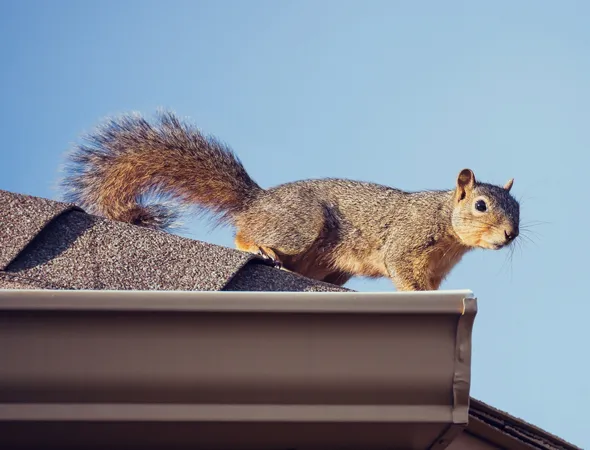
On a multi building Westfield property the structure tells you the species, and the fix is different for each one. Sealing a shed is not the same job as sealing a barn. Here is what we find and what closing it properly involves.
| Structure | Usual Weak Point | Who Moves In | What Sealing Involves |
|---|---|---|---|
| Garden or Storage Shed | Gap beneath a timber or block base | Skunk, woodchuck, opossum | Trenched mesh skirt below ground level |
| Detached Garage | Door seals, gable vents, roof to wall gap | Squirrel, raccoon, mice | Sweeps, vent guards, sealed roof junction |
| Barn or Pole Building | Open eaves, ridge gaps, loose siding | Bats, birds, raccoon, rodents | Targeted sealing after a dusk survey |
| Deck or Porch | Open void behind the skirt boards | Skunk, woodchuck, opossum | Buried L shaped barrier around the perimeter |
| House Roofline | Soffit returns, gable vents, dormers | Squirrel, raccoon, bats | Steel backed repair at each opening |
| Woodpile or Stone Wall | Ground level cavities and voids | Mice, chipmunk, snake | Relocation of the foundation, no sealing |
Please do not, and this is the single most common mistake we see in Westfield. Blocking the entrance traps the animal underneath, and between roughly April and July it can trap a litter that then dies in place. Even without young, a sealed in skunk will dig out somewhere worse or spray under the structure. The correct order is a one way door first, confirmation the void is empty, then permanent sealing.
It does. A slab lets us seal at the edge and be done, but a gravel or dirt floor means anything digging can go under the sill plate from outside and come up inside. On those buildings we install a buried barrier around the perimeter, usually turned outward at the base so digging animals hit mesh rather than soil. It is more work than a slab building and we will say so when we quote.
Yes, noticeably. Parts of Westfield remain in a floodplain zone even with dams and dikes in place, and when ground level water rises, burrowing animals and rodents move to higher dry ground, which usually means your shed base, garage, deck void or crawlspace. Calls here tend to spike after heavy rain, so it is worth having the outbuildings sealed before the wet season rather than after.
Usually not. A single woodchuck typically digs one main entrance with a spoil mound plus one or two escape holes with no soil beside them, so several openings often mean one animal with a properly built burrow. That said, the burrow itself is the structural problem regardless of the count, so the fix is the same, remove the occupant then collapse and backfill the system.
Not necessarily, and we would rather you spent the money where it works. We inspect everything, then rank the structures by what is actually active and what is worth protecting. Often the barn and one shed are the real issue and the rest can wait. You get that in writing with photographs so you can decide the order and the budget yourself.
Tell us which building it is, where the hole sits and whether you are seeing it at dusk or overnight, and we can usually name the species before we arrive. A photo of the hole and the soil beside it tells us most of what we need. We cover every Westfield neighbourhood, from downtown out to Wyben and the western town lines.
WhatsApp us